
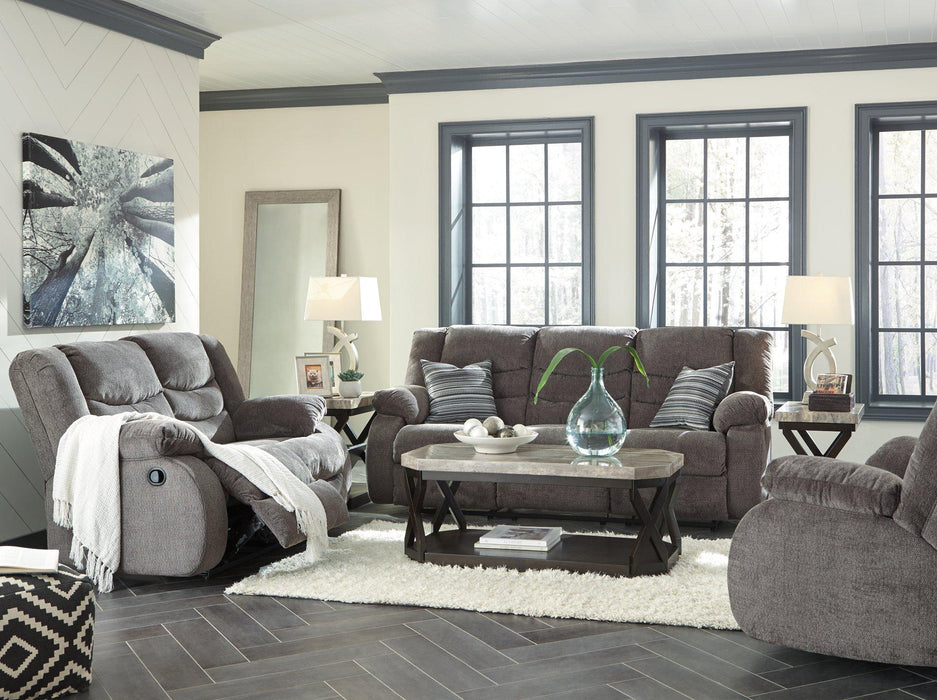
The “right” living room furniture has nothing to do with what’s trending on social media and everything to do with what happens in your home between 6 AM and midnight.
When choosing furniture, it’s important to select pieces that match your personal style, are durable, and truly support your daily routine.
Maybe your living room doubles as a workspace three days a week. Maybe it hosts movie nights every Friday, or it’s the epicenter of kid chaos from breakfast until bedtime. Perhaps you’re the friend who always hosts game night, or you just want a quiet corner to read without interruption.
This guide walks you through choosing specific furniture pieces, a sofa, chairs, tables, and storage that actually support your routines in real life. You’ll get practical rules, concrete measurements, and example layouts you can use this week before you spend a dollar.
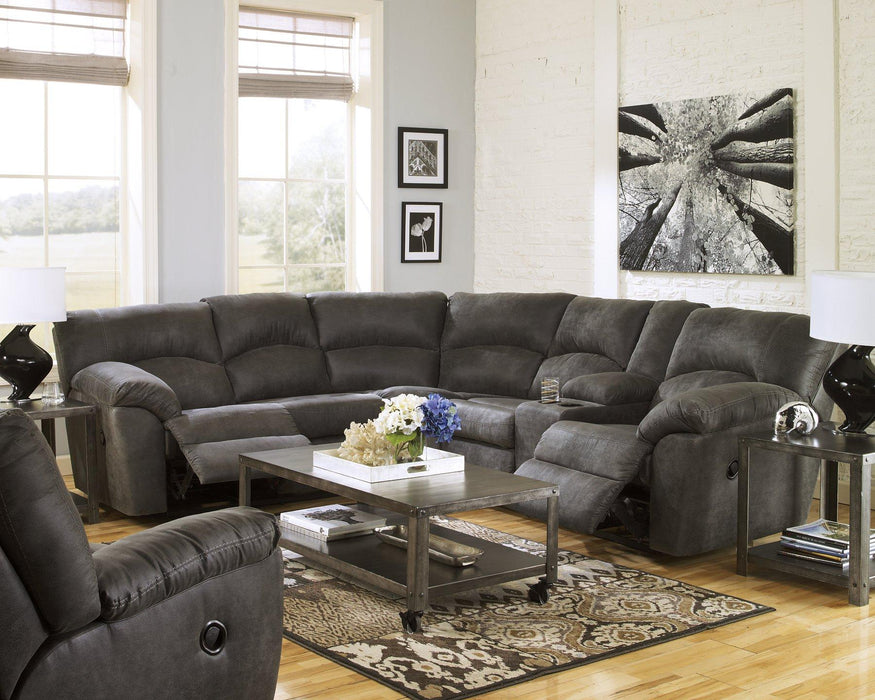
Step 1 – Audit Your Daily Routine Before You Buy Anything
Here’s the uncomfortable truth about living room furniture: most people buy pieces that look great in showrooms but fail Monday through Friday. The sofa that seemed perfect on a Saturday afternoon becomes a nightmare when you realize there’s no room for your laptop, nowhere for kids to spread out homework, and the coffee table corners are at toddler-eye level.
Before you browse a single furniture website, spend one week tracking what actually happens in your living room.
Create Your Activity Log
Grab a notebook and record activities by time of day. Be honest, this isn’t about what you wish your living room was for; it’s about what it actually does.
|
Time of Day |
Weekdays |
Weekends |
|---|---|---|
|
Morning |
Quick coffee before work |
Kids’ cartoons, breakfast on the sofa |
|
Afternoon |
Empty / WFH on laptop |
Friends visiting, games on the floor |
|
Evening |
Streaming 8-10 pm, dinner on the coffee table |
Movie night with snacks, extended lounging |
Identify Your Living Room Personality
Most living rooms fall into one of these categories. Which sounds like yours?
-
TV and Gaming Hub – Screen is on daily, gaming happens weekly, furniture faces the entertainment center
-
Quiet Reading Room – Natural light matters, chairs need good support, side tables hold books and tea
-
Multipurpose Family Room – Toys everywhere, homework happens here, furniture must survive chaos
-
Work-From-Home Corner – Laptop lives on the sofa arm, video calls need a decent background, outlets matter
-
Frequent Entertainer – Guests over monthly or more, conversation flow beats TV viewing, extra seating is essential
Here’s a useful rule: if an activity takes at least 3 hours a week, it deserves dedicated furniture or a zone. That means if you work from home 15 hours weekly, you need more than a throw pillow as a laptop stand.
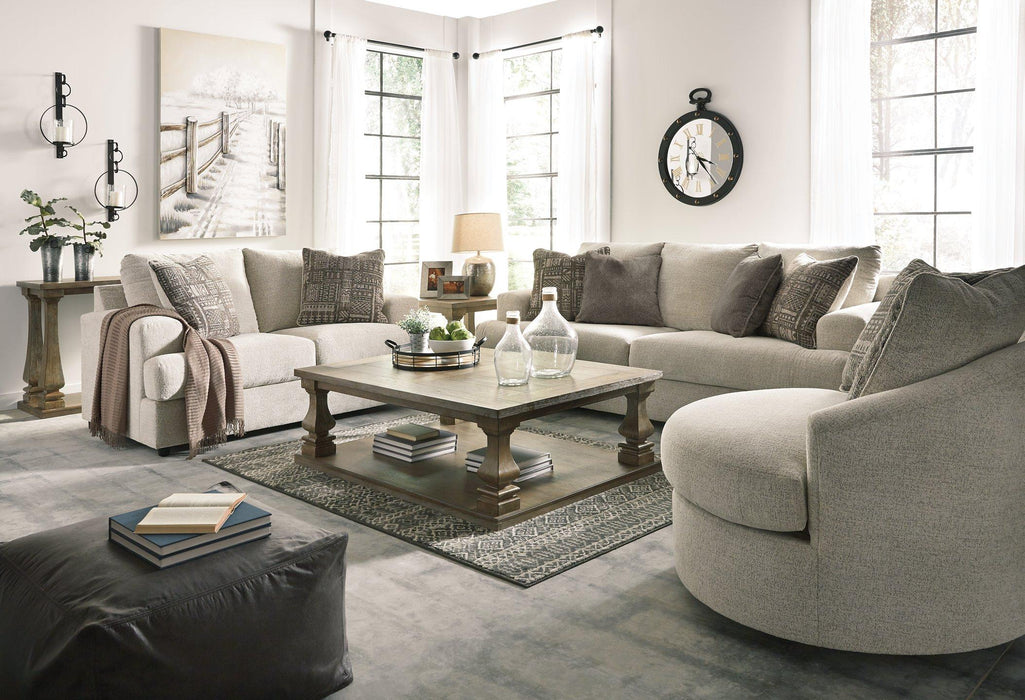
Step 2 – Measure Your Space and Map Your Movement
Skipping measurements is the fastest way to end up with a larger sofa that won’t fit through your door or a seating arrangement that blocks the only path to the kitchen. Accurate measurements are essential to effectively arrange living room furniture for both function and comfort, ensuring your layout is both practical and inviting. Accurate numbers save money, returns, and frustration.
What to Measure
Pull out a tape measure and document:
-
Room length and width (measure at floor level and note any irregularities)
-
Ceiling height (especially if you’re considering tall bookcases or floor lamps)
-
Window positions (measure from floor to sill to check under-window fit)
-
Radiator, vent, and outlet locations
-
Door swings and clearance when fully open
-
Hallway widths and diagonal openings (critical for maneuvering large pieces)
Spacing Guidelines That Actually Matter
These numbers come from furniture industry standards and interior design practice:
|
Clearance Type |
Minimum Distance |
|---|---|
|
Main walkways |
30–36 inches |
|
Between the sofa and the coffee table |
14–18 inches |
|
Behind sofas (for curtains/baseboards) |
3–4 inches |
|
Between seating pieces |
18 inches minimum |
|
Around dining-adjacent setups |
36 inches |
A common mistake is to push furniture directly against walls, which can make the space feel less inviting and limit the room's functionality. Pull pieces a few inches away to create breathing room and foster more intimate conversation groupings rather than a flat, showroom feel.
However, leaving too much space between furniture pieces can make the living room feel cavernous and unwelcoming. Aim to balance open areas with thoughtful furniture placement to ensure comfort and functionality.
Create a Paper Floor Plan
Before you buy anything:
-
Draw your room to scale on graph paper (1 square = 1 foot works well)
-
Mark windows, doors, outlets, and vents
-
Cut paper rectangles to represent furniture at the same scale
-
Test different layouts by moving the paper around
If you have a larger space, you can space out your furniture to create multiple conversation areas and walkways, making the room feel more open and welcoming.
Traffic flow should never cut diagonally through the middle of your primary seating group. The path should go around the seating area, not through it.
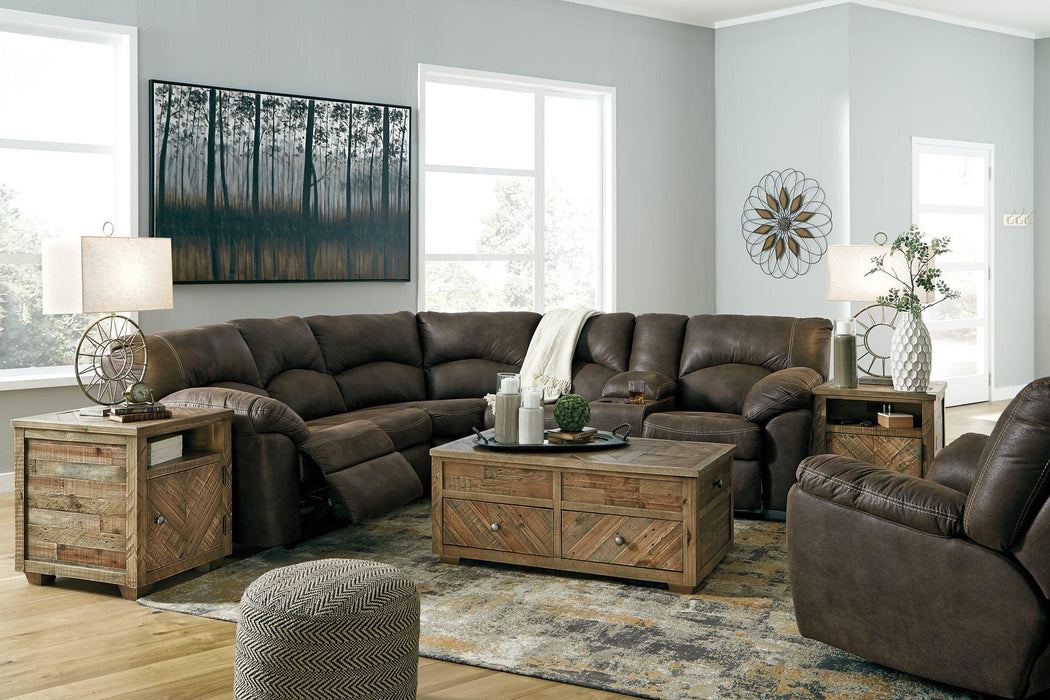
Step 3 – Define the Room’s Main Job (Then Choose a Focal Point)
Even multipurpose rooms need a main job. Trying to optimize for everything means optimizing for nothing, and you end up with cluttered, unfocused furniture choices that serve no routine well.
If your entire room feels awkward, it’s often because the focal point isn’t clear or the seating doesn’t respond to it.
In a large living room, you may need to use area rugs and multiple seating groupings to create comfort and visual balance.
Pick One Primary Function
Ask yourself: if I could only do one thing in this room, what would it be?
|
Main Job |
Primary Furniture Focus |
|---|---|
|
Media room |
Large seating facing screen, minimal glare, hidden storage |
|
Conversation space |
Seating arranged for eye contact, surfaces within reach |
|
Family play zone |
Durable pieces, open floor space, accessible storage |
|
Mixed living/dining |
Flexible pieces, clear zones, multipurpose surfaces |
Connect Your Job to a Focal Point
Every living room layout needs a focal point, the visual anchor that determines where your biggest furniture faces. Common options:
-
TV wall – For streaming-heavy homes
-
Fireplace – Classic conversation anchor
-
Large window with a view – If natural light and scenery dominate
-
Bookcase or large artwork – For reading rooms or design-focused spaces
Choose your focal point wall before buying main seating. The biggest piece, your sofa or sectional, should face or angle toward that point.
High-Level Layout Suggestions
-
Sofa facing TV for tv watching-heavy homes
-
Sofa facing a window, if reading and relaxing dominate your routine
-
U shape or conversation pit around a large coffee table for entertainers who want to encourage conversation
If your entire room feels awkward, it’s often because the focal point isn’t clear or the seating doesn’t respond to it.

Step 4 – Choose Anchor Seating That Matches Your Routine
Your sofa or sectional is the most important investment in the entire space. It’s used daily, often for hours, and it sets the tone for everything else. Get this wrong, and no amount of throw pillows will fix it.
Sofa vs. Sectional vs. Multiple Pieces
Choose based on room size, daily routines, and how many people use the space:
|
Room Size |
Best Seating Option |
Ideal For |
|---|---|---|
|
Under 150 sq ft |
Loveseat or slim sofa + one chair |
Small apartments, tight spaces |
|
150–250 sq ft |
Standard sofa + accent chair |
Couples, small families |
|
Over 250 sq ft |
L-shaped sectional or two sofas |
Large families, entertainers |
Gamers and movie fans often prefer sectionals for sprawling. Smaller living room spaces may work better with a classic sofa plus one or two chairs opposite for flexibility.
Rules of Thumb for Fit
-
Seat depth: 21–24 inches for mixed use; deeper (25+ inches) for lounging
-
Seat height: 17–19 inches allows most adults to sit with feet flat on the floor
-
Capacity: A 3–4 person household needs at least 5–6 real seats, not decorative ones nobody uses
-
Scale: Leave enough room for walkways. A 90-inch sofa in a 10-foot-wide room leaves barely any floor space
Comfort Checklist
Before committing to any seating:
-
Test back support, does it hold you upright or let you sink awkwardly?
-
Check that the seat height lets your feet rest flat
-
Assess cushion firmness for your primary activity (firmer for sitting upright, softer for lounging)
-
Sit for at least 5 minutes if possible
Upholstery by Lifestyle
-
Kids and pets: Performance fabrics with stain resistance, darker colors, and removable covers
-
Sunny rooms: Fade-resistant synthetics (polyester, microfiber) outperform natural fibers like cotton or linen
-
Adults only, minimal mess: Leather or natural fabrics work fine
-
Small spaces without spare storage: Removable, washable covers are essential
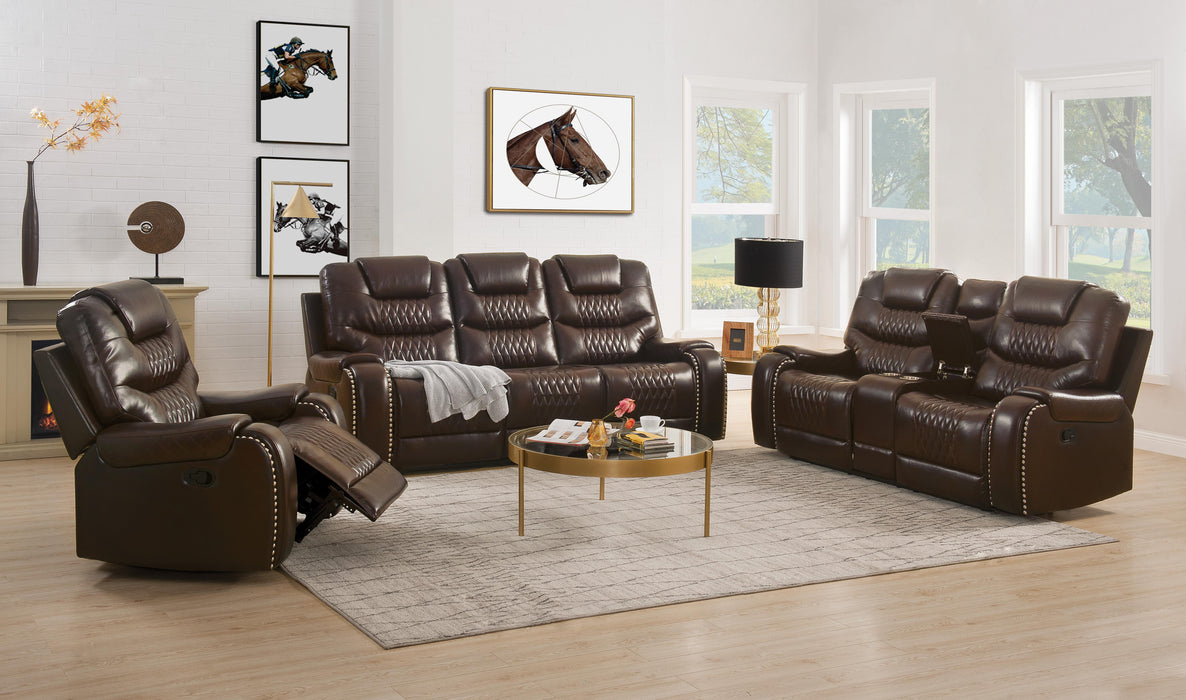
Customization options like choosing leg stain, arm shape, or fabric color let you match your own personal style without sacrificing function.
Step 5 – Match Accent Pieces to Your Daily Tasks
The coffee table, side tables, ottomans, and accent furniture in your living room should be chosen to support real tasks, not just fill space. Think about what actually happens: eating in front of the TV, kid crafts, laptop work, and board games with friends.
Including a small table between accent chairs can help create a balanced and functional living space, making it easier to set down drinks or books while maintaining a comfortable flow in the room.
The coffee table is the workhorse surface of most living rooms: it should be large enough for your needs, but not so big that it blocks movement. Table height is crucial for comfort and accessibility. Make sure your tables are at a height that works well with your seating and lighting, so everything is within easy reach and visually balanced.
Coffee Table Guidelines
The coffee table is the workhorse surface of most living rooms:
-
Length: At least half the sofa length (a 90-inch sofa needs a table at least 45 inches long)
-
Height: Within 2–4 inches of your seat height (typically 16–18 inches)
-
Distance from sofa: 14–18 inches for comfortable reach without cramped legs
-
Shape: A round coffee table promotes fluid movement and eliminates sharp corners, ideal for homes with kids
A large coffee table works for families who eat dinner in front of the TV or play board games. A smaller option suits minimal routines.
When to Choose an Ottoman Instead
Storage ottomans work better than coffee tables when:
-
Lounging with feet up is your default mode
-
You have young kids (no sharp corners)
-
You need extra seating for movie nights or guests
-
Closed storage is more valuable than surface area
Add a sturdy tray on top to create a stable surface for drinks without sacrificing the soft footrest function.
Side Table Essentials
Every seat in your seating area should have a surface within arm’s reach. This isn’t luxury, it’s functional:
-
Height should match or sit slightly higher than the sofa arm
-
At a minimum, have one side table per seating zone
-
Nesting tables work well in a small space where flexibility matters
Accent Chair Selection by Routine
|
Daily Routine |
Best Chair Type |
|---|---|
|
Multiple focal points (TV + window) |
Swivel chair |
|
Reading or TV marathons |
Recliner |
|
Occasional guests |
Compact upright chair |
|
Tight spaces or studios |
Armless chairs |
Mini-Layout Examples
Layout A: Sofa + two chairs around a round coffee table – good for conversation groupings and entertaining
Layout B: Sectional + one swivel chair + large square ottoman – ideal for media rooms with multiple viewing angles
Layout C: Slim sofa + single side chairs + nesting side tables – perfect for studio apartments or awkward space dimensions
Step 6 – Plan Storage So Daily Clutter Disappears Fast
Storage is what keeps a high-traffic living room looking calm at the end of the day. Without it, remotes scatter across surfaces, toys colonize the floor, and blankets pile on sofas. With the right storage furniture, everything has a home.
Key Storage Pieces
-
Media console with doors or drawers – Hides cables, gaming consoles, DVDs
-
Closed cabinets or sideboards – For board games, photo albums, seasonal items
-
Storage ottomans – Double duty as seating and hidden toy/blanket storage
-
Lidded baskets – Quick, attractive containment for daily mess
-
Wall-mounted shelves – Display items that don’t need hiding
Match Storage to Your Routine
|
Daily Activity |
Storage Solution |
|---|---|
|
Kids’ toys are used daily |
Low, easy-access bins that they can reach |
|
Remotes and controllers |
Closed drawer near the sofa |
|
Work-from-home supplies |
Dedicated cabinet or cart that closes at night |
|
Blankets for movie nights |
Large basket or ottoman |
The Open vs. Closed Balance
Combine both types:
-
Open storage: Books you’re reading, decorative objects, plants
-
Closed storage: Games, cords, small clutter, anything that looks messy
Create a Drop Zone
Plan at least one spot near the main entrance to your living room for keys, mail, and phone chargers. This prevents daily items from scattering across the coffee table and keeps the whole room calmer.
The 10-Minute Nightly Reset
With good storage, tidying becomes automatic:
-
Toys go in the basket by the wall (30 seconds)
-
Remotes return to the console drawer (10 seconds)
-
Blankets fold into the ottoman (20 seconds)
-
Work materials go in the cabinet (30 seconds)
-
Dishes return to the kitchen (varies)
This routine works because every item has a designated home within arm’s reach of where it’s used.
Step 7 – Layer Lighting and Textiles Around Your Habits
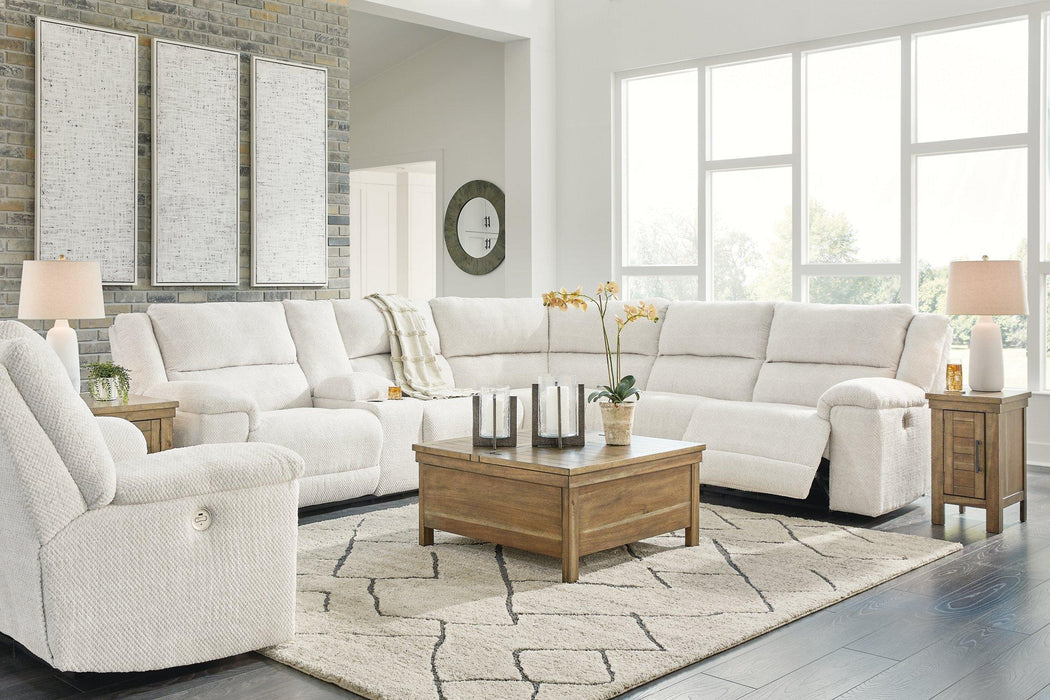
Lighting and soft furnishings, rugs, throws, and cushions aren’t decorative afterthoughts. They’re tools that make the room feel different at 7 AM versus 9 PM, and they directly support tasks like reading, working, and winding down.
Placing a tall plant beside a sofa or artwork can anchor the space and add vertical interest to your living room, enhancing both balance and visual appeal.
Three Types of Lighting to Include
|
Lighting Type |
Purpose |
Examples |
|---|---|---|
|
Ambient |
General illumination |
Ceiling fixtures, recessed lights |
|
Task |
Focused light for activities |
Floor lamps beside chairs, table lamp on side table |
|
Accent |
Atmosphere and visual interest |
Wall sconces, picture lights, small shelf lamps |
Placement Tips
-
Position floor lamps beside reading chairs at head height for proper task lighting
-
Place a table lamp on any side table where people use laptops or phones
-
Avoid glare on TV screens by positioning strong lights to the side, not directly opposite
-
Ensure every seat has access to adjustable lighting for different times of day
Rug Rules for Function
A rug anchors the seating area and muffles noise during daily foot traffic:
-
Size: Large enough that at least the front legs of the main seating sit on it (8x10 feet for standard rooms)
-
Shape: Rectangular rugs aligned with seating; round rugs work in small conversation nooks or under a pair of chairs
-
Material: Washable rugs for play areas; heavier textures for winter comfort; fade-resistant for south-facing windows with strong natural light
Connect Textiles to Routine
-
Heavy, textured throws for winter movie nights
-
Machine-washable blankets for homes with kids or pets
-
Throw pillows are used strategically to adjust seat depth, making the same sofa work for lounging and upright work
Build a Simple Color Palette
Choose 2–3 colors drawn from existing pieces, a favorite piece of art, a cushion you love, or even the view outside. New furniture pieces and textiles that fit this palette integrate easily, preventing the room from feeling chaotic.
Step 8 – Incorporating a Dining Table into Your Living Room
In many homes, especially apartments or open-plan spaces, the living room does double duty as a dining area. Incorporating a dining table into your living room can transform the entire room into a flexible, multi-functional space that supports everything from family meals to work-from-home days. The key is to choose living room furniture and a dining table that work together to maximize both comfort and functionality, without making the space feel crowded.
When a Dining Table Makes Sense
A dining table in the living room is a smart solution when you want to make the most of your available space or create a more open, social atmosphere. In open-plan layouts, a dining table can act as a natural focal point, helping to define the dining area without putting up walls or blocking the flow of the room. If you love to entertain, a well-placed dining table can anchor the room and encourage guests to gather, eat, and linger. Even in a smaller living room, a compact dining table can provide a dedicated spot for meals, homework, or crafts, making the entire room more versatile.
Space-Saving Dining Solutions
If your living room is on the smaller side, look for dining tables that save floor space and keep the room feeling open. Consider a compact dining table, a drop-leaf table that folds away when not in use, or a table with built-in storage for dishes or linens. A round coffee table can double as a casual dining spot for snacks or small meals, while a side table can be pulled up to the sofa for solo dining or laptop work. When choosing a dining table, make sure it fits the scale of your living room and leaves enough space for comfortable movement around all the furniture. Opt for pieces that are easy to move or tuck away, so you can quickly adapt the room for different activities.
Blending Dining and Living Zones
To create a cohesive look between your dining and seating areas, coordinate the style, color, and materials of your living room furniture and dining table. For example, match the wood finish of your dining table to your coffee table, or choose dining chairs with upholstery that echoes your sofa or accent chair. Use area rugs to visually separate the seating area from the dining zone, or add pendant lighting above the dining table to highlight it as a focal point. Layer in similar textures and colors, like matching throw pillows on the sofa and dining chairs, to tie the entire room together and make the transition between zones feel seamless.
Multi-Use Furniture Ideas
Multi-use furniture is a game-changer in a living room that needs to serve as both a lounge and a dining space. A storage ottoman can act as a coffee table, extra seating, and a place to stash blankets or board games. A console table behind the sofa can double as a dining table or a desk, depending on your needs. Look for a coffee table with hidden storage to keep the room clutter-free, or a dining table that expands for guests but stays compact for everyday use. Don’t forget to add decorative touches, like throw pillows, vases, or art, that reflect your own personal style and make the room feel inviting.
By thoughtfully arranging your living room furniture and choosing pieces that serve more than one purpose, you can create a space that’s perfect for relaxing, dining, working, and entertaining. With the right dining table and a few smart design choices, your living room can truly become the heart of your home.
Step 8 – Example Layouts for Common Daily Routines
Here are four practical, copyable layouts matched to specific lifestyles. Use them as starting points for your own furniture layout.
Layout 1: Movie Nights and Gaming
Daily routine: Streaming most evenings, gaming sessions on weekends, snacks in front of the screen
Furniture pieces:
-
Large sectional (L-shaped or U-shaped) facing the TV
-
Wide ottoman instead of a sharp-cornered coffee table
-
Media console with hidden storage for consoles and accessories
-
Two small side tables for snacks and drinks
-
Blackout curtains to reduce screen glare
Position the sectional 8–10 feet from the screen for comfortable viewing without neck strain.
Layout 2: Entertaining and Conversation
Daily routine: Guests over monthly or more, dinner parties, game nights with friends
Furniture pieces:
-
Two sofas facing each other OR one larger sofa plus two chairs in a U-shape
-
A large rectangular or oval coffee table in the center
-
Bar cart or sideboard against a long wall
-
Layered lighting for evening gatherings (dimmers help)
-
Extra seating nearby (storage ottoman, dining table, chairs that can migrate)
Keep seating within 8 feet of each other to maintain a comfortable conversation distance.
Layout 3: Family Play Zone + Homework Corner
Daily routine: Kids play on the floor daily, homework happens in the living room, and toys are everywhere
Furniture pieces:
-
Standard sofa plus one durable accent chair
-
Large washable rug in the center (creates a defined play zone)
-
Low storage units or baskets along one wall for toy access
-
Compact desk and chair in a corner with a task lamp
-
Round coffee table or soft ottoman (no sharp corners)
The open space in the center is intentional; it’s not negative space, it’s play space.
Layout 4: Small Apartment, Work-From-Home Friendly
Daily routine: WFH 3+ days per week, limited square footage, one room does everything
Furniture pieces:
-
Slim sofa against the long wall
-
One swivel chair (faces TV for relaxing, desk for working)
-
Round coffee table to ease movement in tight spaces
-
Wall-mounted shelves above the sofa (vertical storage saves floor space)
-
Fold-out or wall-mounted desk with a small ergonomic chair
In a smaller living room or open plan spaces, furniture credit goes to pieces that serve multiple functions.
Step 9 – Final Checks Before You Commit
Before you arrange furniture or finalize purchases, test your plan in real life, not just on paper.
Physical Walkthrough
-
Walk the planned paths through the room
-
Sit where the sofa will go and check sightlines to the focal point
-
Reach out to where surfaces (side table, coffee table) will be. Can you set down a drink without standing?
-
Imagine where your laptop, remote, toy box, and daily items will live
Pre-Purchase Checklist
|
Question |
Requirement |
|---|---|
|
Can every daily activity happen comfortably? |
If not, reconsider seating or table choices |
|
Is there a place for every regular item? |
Remotes, toys, blankets, and work bags need homes |
|
Are all walkways at least 30 inches wide? |
Measure twice |
|
Does every seat have a reachable surface? |
Side tables or coffee tables within arm’s reach |
|
Is the lighting adequate for tasks at each seat? |
Add lamps if needed |
|
Does the plan leave enough space to move? |
Don’t overcrowd, space feel matters |
When Shopping
Take your room measurements, ceiling height notes, and main activity list to stores or keep them open while browsing online. Ignore pieces that don’t fit your documented requirements, even if they look appealing. A beautiful piece that blocks your walkway or overwhelms your space will frustrate you daily.
Embrace Evolution
The most successful living rooms aren’t perfect showrooms; they’re flexible spaces that change as routines evolve. All the furniture you choose today should be able to shift as your life does. The family with a toddler will eventually need a homework zone. The person working from home may return to an office. The couple will host more guests as their social circle grows.
Choose furniture pieces with good bones, solid frames, neutral foundations, and quality construction, and let accents and layouts evolve with you.
Start with your measurements and your weekly routine this week. Everything else follows from there.
Get Your Living Room Furniture at Furniture World Today
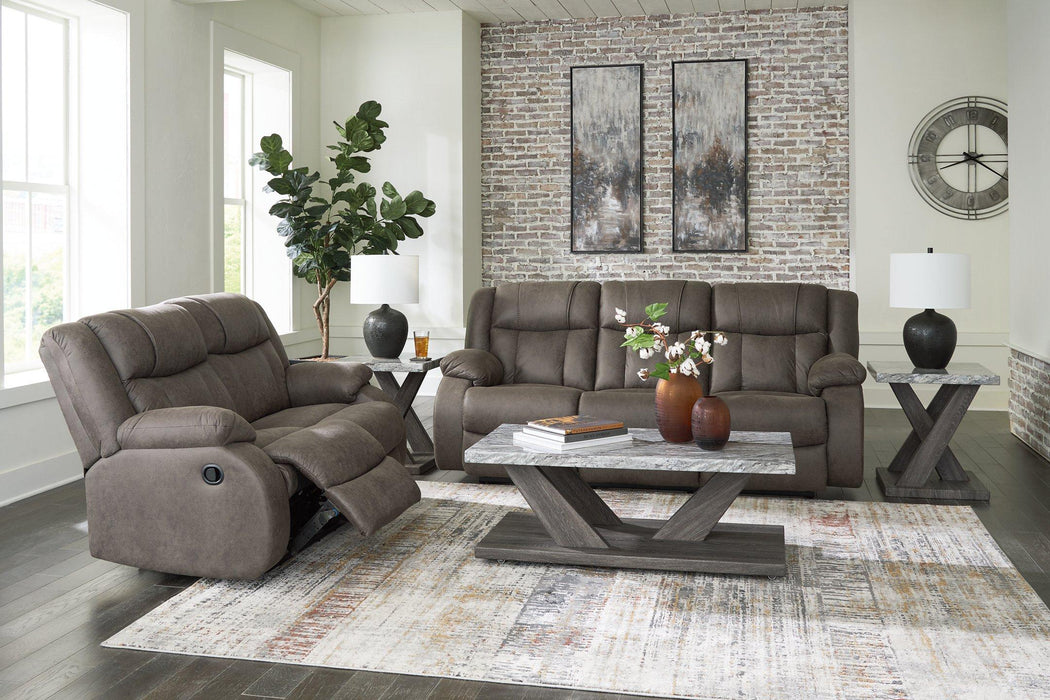
Your living room should be a space that’s both comfortable and inviting for everyday use and entertaining. At Furniture World, our living room furniture collection includes sofas, sectionals, chairs, and accent pieces designed to fit your space and lifestyle. Each piece is crafted for comfort, durability, and style to help you create a living room you’ll love.
Explore our living room furniture selection today and find the perfect pieces to refresh your home. Whether you’re updating a single item or furnishing the entire room, Furniture World has options that combine practicality, quality, and timeless style.