

Upgrading your bedroom furniture is one of the fastest ways to improve sleep quality, not just how your room looks, but how deeply you rest every night. Most people focus on mattresses when thinking about sleep, but the entire furniture ecosystem in your bedroom plays a crucial role in whether you wake up refreshed or exhausted.
Investing in quality bedroom furniture is a key factor in achieving a good night's sleep, as it creates a supportive and comfortable environment that promotes restful and rejuvenating sleep.
Consider this: adults spend roughly one-third of their lives in bed. That's around 8 hours per night, 56 hours per week, and over 2,900 hours per year. The furniture choices you make for this space directly affect your daily energy, cognitive performance, and overall health in ways that few other home investments can match.
This article covers the key elements that connect quality bedroom furniture to better rest: physical comfort and ergonomics, air quality and temperature regulation, organization and clutter control, and the psychology of a calm sleep environment. You'll find concrete examples throughout, including scenarios like switching from a hollow-core bed frame to a solid-wood frame with proper slat spacing, or upgrading from a worn-out mattress to a medium-firm hybrid designed to last 8-10 years. The promise is straightforward: better furniture leads to better sleep, and better sleep transforms everything else.
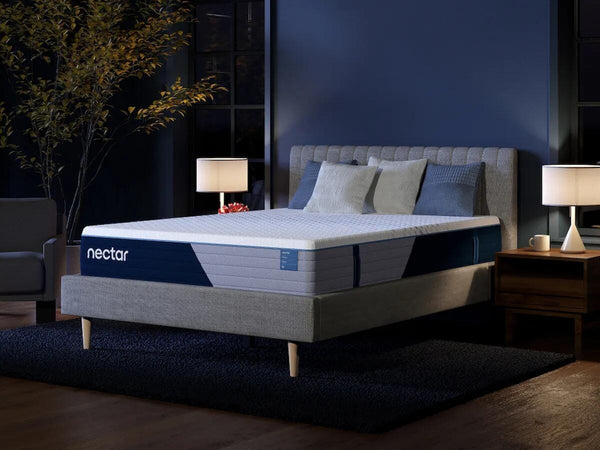
Why Sleep Quality Deserves Your Attention
Chronic poor sleep affects more than just how tired you feel in the morning. According to CDC data from recent years, roughly one in three adults regularly gets less than the recommended 7 hours of sleep per night. This sleep deficit correlates with increased risks of weight gain, heightened anxiety, weakened immunity, and diminished cognitive function over time.
What makes this particularly important is understanding how sleep works. Your body cycles through different sleep stages throughout the night, including deep sleep and REM phases that are essential for memory consolidation, emotional regulation, and physical recovery. When furniture fails to provide adequate support or when your sleep environment causes micro-awakenings, these cycles get interrupted before completion. The right bedroom furniture setup can help ensure a restful and uninterrupted night's sleep, allowing you to fully benefit from each sleep stage. A person sleeping on a sagging mattress might technically spend 8 hours in bed but experience the restorative benefits of only 5 or 6.
Here's a concrete comparison: a cheap mattress that loses its structural integrity within 5 years forces your body to compensate for uneven support, leading to tossing, turning, and joint pain. A quality mattress designed to maintain its support characteristics for 8-10 years keeps your spine aligned night after night, allowing uninterrupted sleep cycles that support your mental health and physical well-being.
Key health outcomes improved by quality sleep include:
-
Sharper focus and faster problem-solving during waking hours
-
More stable mood and reduced irritability
-
Faster physical recovery from exercise and daily strain
-
Stronger immune response to illness
-
Better weight management through balanced hunger hormones
How Bedroom Furniture Directly Affects Sleep Quality
Your sleep environment encompasses everything in your bedroom that influences rest, lighting, temperature, noise, and most fundamentally, furniture. The bed, mattress, storage pieces, and even seating options form the physical core of this environment. They determine whether your body can relax fully or remains subtly tense throughout the night, with ergonomic designs in bedroom furniture providing proper support and enhancing comfort for better sleep.
Specific furniture elements influence rest in distinct ways. Your bed frame and mattress provide the physical support that either aligns your spine or forces it into awkward positions. Storage furniture controls whether your bedroom feels like a clutter-free space that promotes relaxation or a chaotic zone that keeps your mind racing. The stability of your furniture affects acoustic calm; creaks and wobbles from cheap alternatives create micro-disturbances that can disrupt sleep without fully waking you.
Consider a direct comparison: hollow-core bed frames made from particleboard tend to develop squeaks and wobbles within a few years. Every time you or a partner shifts position, the frame responds with noise and movement. A solid, well-joined frame made from quality materials stays silent and stable through partner movement, allowing both sleepers to move naturally without disturbing each other. This stability creates a subtle but powerful sense of security that helps the nervous system downregulate and prepare for restorative sleep.

Key Bedroom Pieces Worth Investing In First
If you're upgrading furniture to improve sleep in 2024, even on a limited budget, prioritizing the right pieces matters more than replacing everything at once. The following list represents the highest-impact investments for enhancing sleep quality.
The Bed Frame
Quality bed frames built from solid wood or sturdy metal provide the foundation for everything else. Look for frames with slats spaced no more than 7-8 cm (about 3 inches) apart; this spacing properly supports modern mattresses while allowing air circulation underneath. Platform beds with solid surfaces can work, but ventilated designs generally perform better for temperature regulation. Superior craftsmanship in joinery means no squeaking or shifting over years of use, supporting long-term durability that makes this a cost-effective choice despite a higher upfront investment.
The Mattress
Your mattress deserves the largest portion of your sleep furniture budget. Prioritize firmness appropriate to your body weight and sleeping position. Medium-firm works for most people, but heavier individuals often need firmer support, while lighter people may prefer softer surfaces. A quality mattress from reputable manufacturers typically lasts 8-10 years for foam, latex, or hybrid models. Premium materials and thoughtful construction mean fewer replacements over time, translating to real cost savings.
Bedside Tables
Functional furniture next to your bed serves practical and psychological purposes. You need enough surface for a lamp, a book or phone, and water, the essentials for a comfortable bedtime routine. A drawer or enclosed shelf hides visual clutter that can raise pre-sleep stress levels. Aesthetically pleasing nightstands with clean lines contribute to the calming environment your bedroom needs.
Storage Pieces
Dressers, wardrobes, and closet systems reduce the piles of clothes and random items that create visual chaos. Research has linked clutter to higher evening cortisol levels and difficulty transitioning to sleep. Proper storage solutions, especially those with built-in storage like drawers under the bed, keep surfaces clear and floors walkable. For small spaces, tall wardrobes maximize vertical storage without consuming floor area.
Ergonomics: Spinal Alignment, Pillows, and Movement
Ergonomic support in the bedroom means furniture that keeps your spine in a neutral position and minimizes strain on joints and muscles during 7-8 hours of relative stillness. When your body is properly supported, muscles can fully relax rather than working to maintain alignment.
Mattress construction directly affects pressure points at your shoulders, hips, and lower back. Side sleepers need cushioning at the shoulders and hips while maintaining spinal alignment. Many hybrid mattresses with foam comfort layers over springs excel here. Back sleepers need enough firmness to prevent the pelvis from sinking too deeply, which can strain the lower back. Stomach sleepers generally require firmer surfaces to prevent the spine from arching unnaturally. Getting this match right eliminates the tossing and turning that fragments sleep.
Pillow height and material matter just as much. A too-high pillow for back sleepers kinks the neck forward, creating tension that builds throughout the night. Side sleepers generally need a higher, firmer pillow to fill the gap between the shoulder and head, keeping the cervical spine straight. Memory foam contour pillows can work well for consistent positioning, while adjustable fill pillows let you customize height as needed.
Bed stability rounds out the ergonomic picture. Sturdy frames with proper center support bars reduce motion transfer; when one person moves, the other doesn't feel it. This proves crucial for couples and light sleepers who might otherwise wake repeatedly throughout the night. Quality bed frames eliminate squeaks from loose joints that cheap alternatives develop within months.
Here's a concrete example: someone experiencing morning back pain and stiff shoulders upgrading from a very soft, 6-year-old mattress and flat pillow to a medium-firm hybrid mattress and contour pillow designed for their sleeping position. Within 2-3 weeks, as the body adjusts to proper support, they often report significantly reduced pain and noticeably improved energy upon waking.
Materials, Air Quality, and Temperature Regulation
What your furniture is made from affects two critical sleep factors: bedroom air quality and your body's ability to regulate temperature through the night. Both strongly influence sleep depth and the number of times you wake.
Lower-cost furniture often uses particleboard bonded with formaldehyde-based adhesives, which can off-gas volatile organic compounds (VOCs) for months after purchase. These emissions can cause headaches, respiratory irritation, and general discomfort that disrupts sleep without you necessarily connecting the cause. Research on indoor air quality has shown that inadequate bedroom ventilation, often worsened by furniture emissions, can raise CO₂ levels to concentrations that measurably disturb sleep. Studies indicate that CO₂ concentrations reaching 1,000 ppm begin affecting sleep quality, while proper ventilation systems maintain lower concentrations, supporting deeper rest.
Investing in low-emission materials makes a meaningful difference. Solid wood bed frames and dressers naturally off-gas less than engineered wood products. When solid wood isn't in the budget, look for furniture with low-VOC finishes or third-party emission certifications. Natural materials like wood, metal, and natural fiber textiles generally support better air quality than synthetic alternatives.
Temperature regulation depends heavily on airflow around your sleeping surface. Your body temperature naturally drops during sleep, and furniture that traps heat interferes with this process. Slatted bed bases allow air circulation beneath the mattress, preventing heat buildup. Breathable fabrics, cotton, linen, wool, in bedding and upholstered headboards, wick moisture and allow temperature regulation that synthetic materials block.
Consider this scenario: replacing a non-ventilated solid platform base and all-synthetic bedding with a ventilated slatted frame and breathable fabrics can lower perceived sleeping temperature by 2-3 degrees. For people who tend to overheat at night, this change alone can dramatically reduce night sweats and the awakenings they cause.

Organization, Clutter Control, and the Psychology of a Calm Bedroom
Visual clutter creates cognitive load. When your bedroom is filled with piles of clothes, stacks of books, scattered electronics, and miscellaneous items without homes, your brain processes all of it, even when you're trying to wind down. This background processing makes it harder to switch off racing thoughts and transition into sleep. Research on sleep hygiene interventions has found that decluttering the bedroom specifically predicts increased sleep quality and fewer sleep-related problems.
Well-designed storage furniture directly addresses this challenge. Tall wardrobes, deep dressers, and under-bed drawers with sealed fronts hide items that would otherwise create visual noise. When every possession has a designated space, maintaining a clutter-free space becomes sustainable rather than requiring constant effort. Storage beds with built-in drawer systems prove especially valuable in smaller bedrooms where floor space is limited. In addition to organization, regular cleaning of these storage areas is essential to prevent the buildup of dust and allergens, further promoting a healthy and relaxing sleep environment.
Dedicated sleep furniture means keeping work-related setups out of the immediate sleep zone whenever possible. If your bedroom must serve multiple functions, common in apartments and small spaces, visual separation helps. A small desk tucked behind a screen or positioned to face away from the bed creates psychological distance between work and rest zones.
Furniture placement affects both physical movement and psychological comfort. Ensure a clear path around the bed, access from both sides if possible, and position the headboard against a solid wall. This arrangement creates a sense of security that helps the nervous system relax. Avoid placing the bed directly under windows or in the direct path from the door, which can create subtle feelings of vulnerability.
Here's a practical example: organizing a small city apartment bedroom by adding a tall, narrow wardrobe instead of additional floor units, and choosing a bed with built-in drawers to hide seasonal clothing and extra linens. The result is cleared floor space, empty surfaces, and a room that feels larger and calmer despite limited square footage.
Lighting, Colors, and Complementary Bedroom Elements
While lighting and colors aren't furniture in the strict sense, they work together with furniture choices to shape your overall sleep environment. The interaction between these elements determines whether your bedroom promotes relaxation or inadvertently keeps you alert.
Bedroom lighting should support your body's natural melatonin production after sunset. Harsh overhead lights suppress melatonin, making it harder to fall asleep. Bedside lamps with warm, dimmable bulbs positioned on stable nightstands let you reduce light intensity as bedtime approaches. Position switches within reach so you can turn off lights without leaving bed; this small convenience supports consistent sleep hygiene.
Research on electronic devices and sleep shows the impact of blue light exposure. A large study of over 10,000 adults found that regular smartphone and computer use during bedtime was associated with significantly reduced sleep quality, with odds ratios between 1.32 and 2.12 for poor sleep outcomes. Interestingly, the mere presence of devices in the bedroom had minimal effect; it was active use that disrupted sleep. Consider charging stations outside the bedroom or at a minimum across the room from the bed.
Color and finishes on furniture influence the room's overall feel. Calm, muted tones, soft whites, natural beiges, light blues, or gentle greens, reduce visual stimulation before sleep. Large furniture surfaces in these colors create an aesthetically pleasing environment that signals rest. Dark, dramatic furniture can work in some contexts, but generally creates a higher visual contrast that may subtly activate rather than calm.
Textiles connected to furniture tie the room together. Upholstered headboards add visual softness and physical comfort for reading or relaxing before sleep. A bench at the foot of the bed provides seating for dressing without cluttering the space. Soft rugs define the sleep area and warm, cold floors that can shock you awake during nighttime bathroom trips.
Example makeover: replacing a harsh overhead-only light with two warm LED bedside lamps on matching nightstands, choosing a light-wood bed and dresser with clean lines, and adding a simple upholstered headboard. The transformation creates a cozy sleep environment that visually communicates calm from the moment you enter.

Real-Life Benefits of Quality Bedroom Furniture
Investing in quality bedroom furniture delivers a host of real-life benefits that go far beyond aesthetics. The right bedroom furniture is a cornerstone of sleep quality, supporting not only your physical comfort but also your mental health and overall well-being. When you choose high-quality bedroom furniture, such as sturdy bed frames, thoughtfully designed storage beds, and dressers with superior craftsmanship, you're creating a cozy sleep environment that promotes restful sleep and rejuvenating nights.
Quality bedroom furniture matters because it provides the proper support your body needs throughout the night. A well-constructed bed frame and mattress work together to reduce pressure points, helping you fall asleep faster and stay asleep longer. This kind of support is essential for better sleep quality, which in turn boosts your mood, sharpens your focus, and strengthens your immune system. The result is better health and a greater sense of well-being, both physically and mentally.
Another important factor is the role of built-in storage and smart storage solutions. Clutter can disrupt sleep and increase stress, but quality furniture with built-in drawers or spacious dressers helps maintain a clutter-free space. This organization not only makes your bedroom more functional but also creates a calming environment that signals your brain it's time to relax. A clutter-free, well-organized bedroom is proven to support better sleep and reduce anxiety.
Health benefits extend even further. High-quality bedroom furniture made from natural materials like solid wood and finished with low-emission coatings can help reduce exposure to allergens such as dust mites. Breathable fabrics and premium materials also contribute to better air circulation and temperature regulation, both of which are crucial for sleep health. Additionally, well-designed furniture can help minimize blue light exposure from electronic devices by providing designated storage or charging areas away from the bed, reducing the risk of disrupted sleep.
From a financial perspective, investing in quality furniture is a smart investment. While cheaper alternatives may seem appealing initially, they often require frequent replacements due to wear and tear. High-quality bedroom furniture, on the other hand, offers long-term durability and cost savings thanks to superior craftsmanship and premium materials that stand the test of time.
Aesthetic appeal is another key element. A bedroom furnished with cohesive, well-designed pieces made from natural materials creates a visually pleasing and calming environment. This not only enhances your bedtime routine but also makes your bedroom a true sanctuary for restorative sleep.
In summary, quality bedroom furniture plays a crucial role in enhancing sleep quality, supporting mental health, and improving overall well-being. By providing adequate support, promoting a cozy and clutter-free sleep environment, and offering long-lasting durability, high-quality bedroom furniture is an important factor in achieving better sleep and a healthier, more balanced life. Investing in quality furniture is more than just a purchase; it's a commitment to your nightly rest and your long-term well-being.
Practical Steps to Upgrade Bedroom Furniture for Better Sleep
If you're ready to improve sleep through furniture changes over the next 3-12 months, a structured approach prevents overwhelm and ensures you invest where it matters most.
Step 1: Audit your current furniture. Walk through your bedroom with a critical eye. What causes issues? Note any furniture that creaks, sags, lacks storage, or contributes to floor clutter. Identify pieces older than their typical lifespan, mattresses over 8-10 years, bed frames showing structural weakness, and storage pieces that no longer close properly. Write down specific problems: "mattress dips in the center," "no nightstand means phone charges on the floor," "clothes pile on the chair because the dresser is full."
Step 2: Prioritize high-impact upgrades. Start with the mattress and bed frame; these directly affect physical support throughout the night and have the largest impact on sleep quality. Next come nightstands (supporting your bedtime routine) and storage pieces (controlling clutter). This order focuses your budget on elements most directly connected to rejuvenating sleep rather than aesthetics alone.
Step 3: Set a realistic budget and timeline. Spreading purchases across the year makes quality furniture accessible without financial strain. Consider buying a mattress during spring sales, adding a bed frame in summer, and completing with storage pieces during autumn promotions. This approach lets you choose high-quality furniture rather than compromising on cheaper alternatives that need frequent replacements.
Step 4: Evaluate materials and build quality. Check weight capacity specifications to ensure furniture handles real-world use. Examine joinery, dovetail, or mortise-and-tenon joints, which indicate meticulous attention to construction. For beds, verify slat construction meets spacing guidelines. Look for low-VOC finishes and natural materials when possible. Don't let style override substance; a beautiful bed that wobbles defeats its purpose.
Step 5: Arrange and declutter. When new pieces arrive, reorganize the entire room rather than simply swapping items. Maintain walking space around the bed. Route cables behind furniture rather than across floors. Keep visible surfaces minimal; nightstands should hold essentials only. This final step ensures your furniture investment translates into an actual improvement in your nightly rest.
|
Priority Level |
Furniture Piece |
Expected Lifespan |
Key Quality Indicators |
|---|---|---|---|
|
Highest |
Mattress |
8-10 years |
Firmness retention, edge support, temperature neutrality |
|
Highest |
Bed Frame |
15-20+ years |
Joint stability, weight capacity, slat spacing |
|
High |
Nightstands |
10-15 years |
Surface area, storage, cord management |
|
High |
Dresser/Wardrobe |
15-20+ years |
Drawer glides, interior organization, and finish durability |
|
Medium |
Headboard |
10-15 years |
Attachment stability, fabric quality if upholstered |
Conclusion: Better Furniture, Better Nights, Better Days
Investing in quality bedroom furniture, from a supportive bed frame and ergonomic mattress to smart storage solutions and thoughtful lighting, creates the physical foundation for deeper, less interrupted sleep. Each element works together: proper support keeps your spine aligned, breathable materials regulate temperature, organized storage maintains a clutter-free space, and calm lighting supports your natural sleep rhythms.
These are genuinely long-term investments. A high-quality bedroom furniture set chosen with meticulous attention to construction and materials can serve you well into the 2030s. The cost per night of healthy sleep drops substantially when quality pieces last 15-20 years compared to cheap alternatives requiring replacement every 5-7 years.
View your bedroom as a dedicated recovery space, a room engineered specifically for the restorative sleep that powers everything else in your life. Take one concrete action this month: upgrade those worn pillows, add a nightstand that eliminates floor clutter, or finally replace the mattress that's been sagging for years. Small changes accumulate into transformed sleep.
Your furniture choices tonight shape the energy, focus, and resilience you bring to tomorrow. That's why investing in bedroom furniture isn't just about better sleep, it's about a better life, one well-rested night at a time.
Get Your Bedroom Furniture at Furniture World Today!
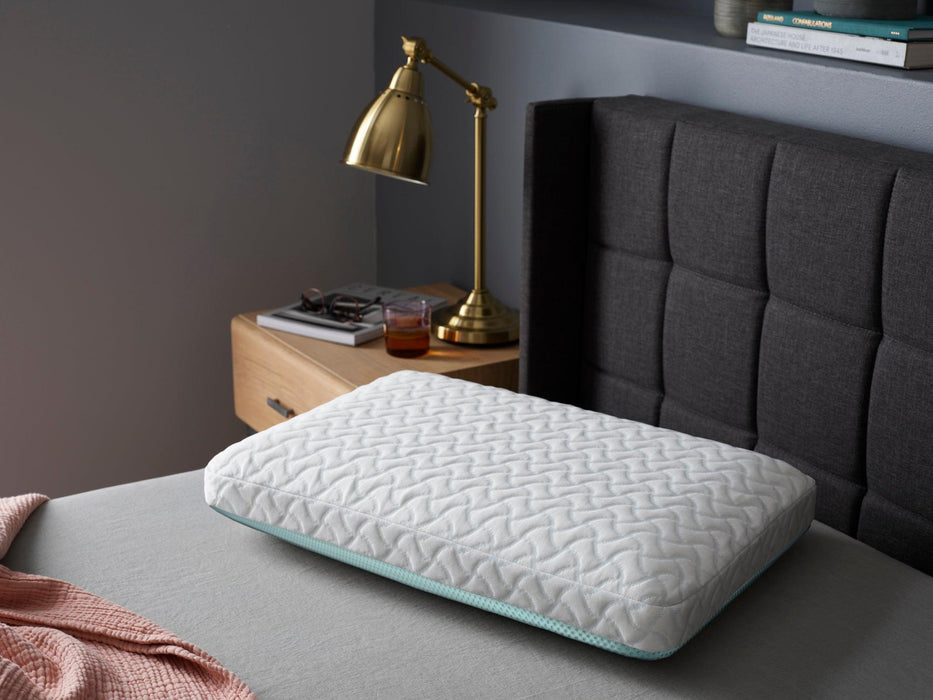
Your bedroom should be a retreat of comfort, relaxation, and personal style. At Furniture World, our bedroom furniture collection offers stylish, durable pieces designed to help you create a space that’s both functional and inviting. From cozy beds and mattresses to complete bedroom sets and storage solutions, you’ll find furniture that fits your space, your style, and your budget.
Explore our bedroom furniture selection today and discover pieces that transform your bedroom into a restful sanctuary. Whether you’re sleeping, relaxing, or organizing your personal space, the right bedroom furniture makes every moment more comfortable and enjoyable.