

Recliners that support comfortable sitting positions share a few essential traits: adjustable lumbar support, proper neck support, multiple recline angles, and dimensions that match your body. Without these features, even the plushest chair becomes uncomfortable after thirty minutes. The right recliner keeps your spine’s natural S curve supported, distributes your body weight evenly, and lets you shift between positions throughout the day without straining muscles or joints. Supporting the spine's natural S curve is crucial for both comfort and long-term spinal health, as it helps maintain proper alignment and prevents unnatural flattening of the spine. Ergonomic recliners are specifically designed to support the spine’s natural S-curve, which is essential for reducing back strain and improving posture. Top-tier brands like La-Z-Boy and Flexsteel have engineered solutions with designs that actively support your spine’s natural curve, setting a standard for comfort and spinal health. Chiropractors recommend choosing recliners with features like lumbar support and ergonomic design to promote spinal health and prevent discomfort.
Most people use recliners for common activities like watching TV, reading, working on a laptop, or simply recovering after a long day. For anyone dealing with mild to moderate back pain or stiffness, a well-designed recliner can make the difference between ending the evening feeling rested or feeling worse than when you sat down. A quality recliner is built from the ground up to preserve the spine’s natural curve, even when you’re fully reclined. This guide will compare different recliner types, explain the ergonomic features that matter most, and give you practical guidance on choosing a chair that supports genuinely comfortable positions for your body and lifestyle.
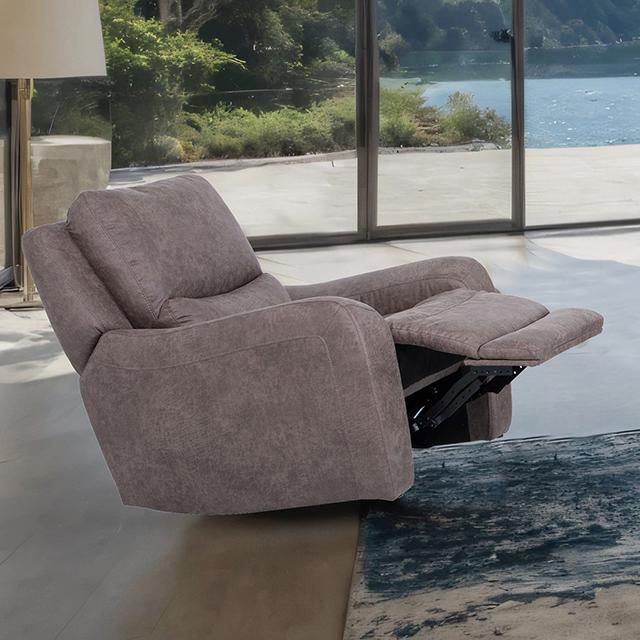
What Makes a Recliner Support Comfortable Sitting Positions?
Comfort in a recliner isn’t about softness alone. A chair that feels cloud-like in the showroom can leave you with aching hips and a sore lower back after an hour at home. Without proper support, this discomfort can quickly lead to lower back pain, as inadequate lumbar support fails to maintain your spine’s natural alignment.
Recliners that support comfortable positions share several core traits. They feature an ergonomic back shape that follows the natural curve of your spine, adjustable angles that let you fine-tune your position, leg elevation options that take pressure off your lower body, and cushioning that maintains its structure over months and years rather than collapsing into a hammock shape. The best ergonomic recliners are designed to maintain the spine's natural S-curve, which is crucial for reducing back strain and preventing discomfort. The seat cushion matters as much as the backrest. If it compresses too quickly, your pelvis tilts, and your entire posture suffers. Specific features such as adjustable lumbar support, customizable headrests, and precise recline mechanisms are essential for differentiating truly supportive recliners from basic ones, ensuring personalized comfort and promoting healthy posture.
The ultimate goal is neutral posture. This means your lumbar region receives gentle support, your hips stay level with or slightly higher than your knees, your knees bend naturally, and your feet rest on a footrest or the floor rather than dangling. When a recliner achieves this, you can sit for long periods without the muscle tension and fatigue that come from fighting poor posture. Supportive seating isn’t a luxury; it’s the foundation of long-term comfort.
Chiropractors often recommend supportive seating for people who work long hours seated and for older adults who need extra joint support.
Key Ergonomic Features That Create Comfortable Sitting Positions
The following features determine how many comfortable positions a recliner can realistically provide and how well it maintains spinal health during extended use.
Adjustable lumbar support is perhaps the most important feature for back health. The lumbar region, the lower five vertebrae of your spine, bears most of your upper body weight when sitting. Proper lumbar support fills the natural inward curve at your lower back, preventing the rounding that leads to disc pressure and muscle fatigue. This support is essential for maintaining the spine’s natural S-curve, which is the anatomical feature that proper lumbar support is specifically designed to maintain. Supporting the spine's natural S-curve helps reduce back strain and promotes healthy posture. The best recliners let you raise, lower, firm, or soften this support to match your specific body shape. Some premium models use inflatable bladders or motorized sliders offering two to four inches of adjustability, allowing personalized support that accommodates different sitting activities throughout the day. Different models offer varying levels of adjustability and support, so it’s important to compare options to find the best fit for your needs.
Neck support and headrest adjustment prevent strain that accumulates during reading, watching screens, or napping. A fixed headrest positioned too high or too low forces your neck into an unnatural angle. Adjustable headrests with tilt and height controls keep your neck aligned with your spine rather than craning forward or tilting backward. Research suggests that proper head positioning can reduce cervical load by 25 to 40 percent compared to unsupported positions, which translates directly to less stiffness and fewer headaches after long hours in your chair.
Multiple recline angles with secure locking give you targeted support for different activities. Seated fully upright works for conversation or active tasks. A slight recline of 100 to 110 degrees provides relaxed TV viewing without straining your back. A deeper recline position works well for napping or taking pressure off your spine entirely. Power recliners excel here because they offer infinite positions between these angles, while manual recliners typically provide three to five preset locks. The key feature is that each position maintains back support rather than creating gaps between your body and the chair.
Seat depth, width, and height determine whether the chair fits your body or works against it. Ideal seat depth leaves a small gap, roughly two to three fingers, between the front edge of the seat and the back of your knees. If the seat is too deep, your lower back loses contact with the lumbar support. If it’s too shallow, your thighs lack support. Seat height should allow your feet to rest flat on the floor when upright, and width should give you enough room to shift positions without slumping against the armrests.
Cushioning quality separates recliners that stay comfortable for years from those that feel great for three months and then sag. High-density foam provides firm, durable support that maintains 95 percent of its shape after thousands of compression cycles, far exceeding standard foam, which often retains only 70 percent. Memory foam conforms to body contours and helps redistribute pressure, reducing hot spots on your hips and tailbone. In premium recliners, memory foam layers also enhance muscle relaxation and circulation, further improving comfort during extended sitting. Layered cushion systems that combine different foam densities often provide the best balance of comfort and support. Kiln-dried hardwood or steel frames are considered the gold standard for durability and long-term structural integrity in recliners.

Comparing Recliner Types for Comfortable Sitting
Different reclining mechanisms fundamentally change how many comfortable positions you can access and maintain day after day. Understanding these differences helps you match a recliner to your specific needs.
Manual recliners use a lever or push-back mechanism to change positions. They’re straightforward, require no electrical connection, and tend to cost less than powered alternatives. However, they typically offer fewer fine-tuned positions, usually three to five locked angles rather than infinite adjustment. Manual recliners work well for people who don’t need micro-adjustments or assistance standing up, and who prefer mechanical simplicity. The trade-off is less precision in finding that perfect reclining angle for activities like reading or working.
Power recliners use electric motors to control the backrest, footrest, and sometimes the headrest and lumbar independently. This motorized approach allows infinite positions, meaning you can dial in exact angles for different activities, slightly more upright for reading, moderately reclined for TV, and nearly flat for napping. Dual-motor setups let you adjust the back and legs independently, which is particularly valuable for people with chronic pain who need specific configurations to find relief. In high-end power recliners, independent back and footrest control allows an infinite range of comfortable positions, letting you fine-tune support for any activity or need. The downside is cost (often two to three times the price of manual models), dependency on electrical outlets, and potential motor failures after five to seven years without maintenance.
Lift recliners, sometimes called lift chairs, add a powered seat that gently tilts forward and rises to help you stand up with minimal strain on your hips, knees, and back. For anyone with mobility issues, older adults, people recovering from surgery, or those with joint limitations, this feature transforms daily transitions from exhausting struggles into effortless movements. Many lift chairs combine the lift function with full power reclining capabilities, making them versatile options for all-day comfort.
Zero gravity recliners position your body with legs elevated near or above heart level while your torso reclines to approximately 120 to 130 degrees. This configuration mimics the neutral body posture astronauts use during launch and was developed through research into reducing spinal compression in microgravity environments. In a zero-gravity recliner, your body weight is distributed along the entire body rather than concentrating on your tailbone and lower back. Clinical observations suggest this position can reduce spinal compression by up to 50 percent compared to standard sitting, making it excellent for pressure relief during long sessions. The limitation is that zero-gravity positions prioritize therapeutic benefits over multi-position flexibility; you’re optimizing for one specific configuration rather than dozens of options.
Rocker, glider, and swivel recliners add gentle movement to the sitting experience. Rocking and gliding can be soothing, helping with relaxation or even conditions like restless legs. However, the quality recliner in this category must still maintain proper back support and neck support when reclined. Some models sacrifice ergonomic structure for motion features, so testing while reclined, not just while rocking upright, is essential before purchasing. When considering quality and premium models, the Flexsteel recliner stands out as a high-quality option known for its comfort, high-resiliency foam, and excellent lumbar support, making it worth testing firsthand to ensure it meets your needs.
Health and Comfort Benefits of Supportive Recliners
The benefits of a supportive recliner extend beyond the immediate feeling of relaxation. Over weeks and months, the right chair can meaningfully improve how your body feels at the end of each day.
Good support mechanisms can ease low-level daily back discomfort by reducing pressure on the lumbar spine and sacrum. When your lower back receives proper lumbar support, the muscles along your spine don’t have to work overtime to keep you upright. This decreases pressure on spinal structures, allowing chronically tight muscles to relax rather than stay perpetually contracted. Users with chronic back pain often report measurable improvement after regular use of ergonomic recliners with adjustable support features.
Improved blood circulation is another significant benefit, particularly in semi-reclined or zero gravity positions where your legs elevate above your heart. This positioning promotes venous return, the flow of blood back to your heart, which reduces swelling in the lower legs and feet. For people who spend long hours standing or sitting during the workday, this elevation can address the fatigue and heaviness that accumulate by evening. Clinical measurements using Doppler imaging have shown blood flow velocity improvements of 15 to 20 percent in elevated positions compared to standard sitting.
Better posture in your recliner can gradually train more neutral sitting habits generally. When your body consistently experiences proper spinal alignment and support, slouching on other surfaces starts to feel wrong. This carryover effect means the benefits of your recliner extend to your office chair, car seat, and dining chairs throughout your life.
For people working from home, a supportive recliner serves as a valuable secondary seating option. Alternating between a desk chair and a recliner throughout the day allows you to change positions and take pressure off different areas of your body. This variety helps prevent the daily strain that comes from maintaining a single posture for eight or more hours. A recliner with good back support provides genuine rest during breaks rather than simply a different type of strain.
One important note: while supportive recliners can help with general discomfort and fatigue, they’re not medical devices. Anyone dealing with severe or chronic pain should consult healthcare professionals for proper diagnosis and treatment recommendations.
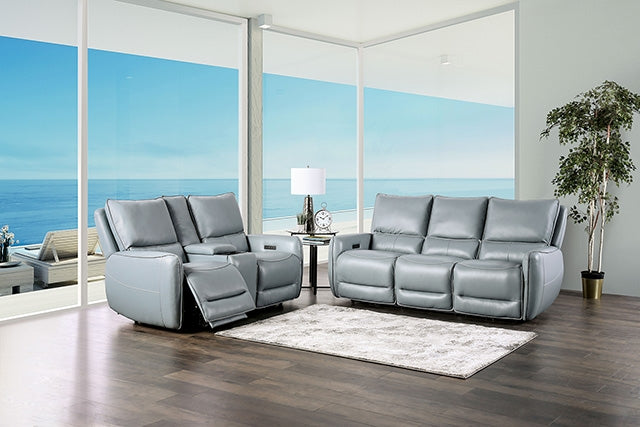
Chiropractors Recommend Recliners: Expert Insights on Support and Comfort
When it comes to relieving back pain and promoting long-term comfort, chiropractors consistently recommend recliners that prioritize proper lumbar support and spinal alignment. According to these spinal health experts, the best recliner is one that maintains the spine’s natural S curve, offers adjustable lumbar support, and provides targeted support to the lumbar region, key factors in reducing pressure points and muscle fatigue.
Chiropractors emphasize that a well-designed recliner should feature adjustable support mechanisms, allowing users to fine-tune the seat depth, seat cushion firmness, and reclining angle for a truly personalized fit. Power recliners and zero gravity recliners are often highlighted for their ability to offer customizable support and reduce spinal compression, making them ideal for individuals with chronic back pain or those seeking to prevent daily strain. Ergonomic recliners, such as those from Flexsteel, are also highly regarded for their ability to promote proper spinal alignment and minimize muscle tension throughout the entire body.
Neck support is another critical consideration. Chiropractors recommend recliners with built-in headrests and adjustable neck support to keep the neck aligned with the spine, reducing strain and helping to alleviate chronic pain. By taking pressure off the lower back and supporting the neck, a well-designed recliner can help the body properly relax and recover, improving overall back health.
Material quality and construction are also important for long-term comfort and durability. Chiropractors suggest looking for premium models that use high-density foam or memory foam in the seat cushion and backrest, as these materials provide lasting support and help distribute body weight evenly. Frames made from kiln-dried hardwood add to the chair’s stability and longevity, ensuring that the recliner continues to deliver proper lumbar support and comfort for years to come. Electric controls are another recommended feature, allowing for effortless adjustments and a perfect fit at any time.
Ultimately, chiropractors recommend choosing a recliner that offers adjustable lumbar, neck, and back support, fits your body size and needs, and is constructed from quality materials. Consulting with a chiropractor can help you identify the right recliner for your specific back health concerns, ensuring you benefit from supportive seating that reduces daily strain, alleviates chronic pain, and enhances your overall quality of life. With the right recliner, you can enjoy long-term comfort, improved spinal alignment, and relief from the pressures of everyday sitting.
How to Test Whether a Recliner Supports Comfortable Positions
Whether you’re evaluating a recliner in a showroom or studying dimensions and photos online, it’s important to test and compare different models to find the best support and comfort tailored to your needs. These testing approaches help you determine if a chair will support comfortable positions for your body.
Start with an upright seating test. Sit all the way back in the chair so your lower back makes full contact with the backrest. Your lumbar region should feel gently filled, not pushed forward aggressively, but supported enough that you don’t need to engage your back muscles to maintain posture. Check that your feet rest flat on the floor or footrest without dangling, and that your shoulders sit comfortably against the upper back without having to lean forward or strain backward.
Next, test multiple recline positions systematically. Move from upright to slight recline, then to moderate recline, and finally to deep recline or full recline if available. At each angle, pay attention to whether the chair continues supporting your lower back, mid-back, neck, and legs. Gaps between your body and the chair at any point indicate poor support that will become uncomfortable over time. The headrest should keep your head supported without pushing it forward, and the footrest should support your entire lower leg without creating pressure behind your knees.
Pay close attention to pressure points during this testing. Your hips, tailbone, and shoulder blades are the most common problem areas. If any of these areas start feeling hot, compressed, or numb within a few minutes of sitting, the support in that region is inadequate. A quality recliner distributes your body weight evenly across the entire body contact area rather than concentrating it on specific points. Models like X-Chair 3.0 and Catnapper Cloud 12 offer advanced lumbar and pressure-relieving features for specialized support.
Finally, test for activity-specific comfort. Hold a book or tablet at your normal reading angle and notice if your arms tire quickly or if your neck strains to see the page. Simulate using a laptop by imagining the screen position and keyboard height. For TV viewing, check whether your eye line naturally points at the screen height without tilting your head up or down. The best recliner for you will support all the activities you actually do, not just look impressive when empty.
If shopping online, carefully compare the seat depth, seat height, and back height measurements to your body dimensions. Measure from the back of your knee to your lower back while sitting; this is your ideal seat depth. Your height and weight should fall comfortably within the chair’s specifications, not at the upper limits.
What Recliners Best Support Different Everyday Activities?
Comfortable sitting means different things depending on what you’re doing and how long you’re doing it. Matching your recliner choice to your primary activities ensures you get the right recliner for your actual lifestyle.
For TV and movie watching, moderate recline positions between 110 and 130 degrees typically work best. You want enough recline to take pressure off your lower back while keeping your head naturally oriented toward the screen. Good neck support becomes critical here because you’ll hold this position for hours at a time. An adjustable headrest that tilts to match your viewing angle prevents the forward head posture that leads to neck stiffness. Armrest height matters too; you want your shoulders relaxed while holding a remote or reaching for snacks, not hunched up toward your ears.
Reading or tablet use calls for a slightly more upright position, usually between 100 and 115 degrees. This angle keeps your arms comfortable while holding a book or device and maintains spinal alignment without requiring you to tilt your head down excessively. Firm lumbar support is especially important for reading sessions because it’s easy to gradually slouch forward without realizing it. A recliner that gently tilts your pelvis slightly back while supporting your lower back encourages you to stay properly positioned throughout a weekend reading session.
Brief naps require deeper recline angles, often 140 to 180 degrees, depending on the chair’s range. Even weight distribution from shoulders to calves becomes essential here; any hard transition points under your lower back or knees will wake you up or leave you sore. Some people with mattress intolerance find that recliners capable of nearly flat positions provide better rest than their beds, particularly when dealing with acid reflux or breathing issues that benefit from slight head elevation.
Occasional laptop work from a recliner is possible with the right setup, though it requires some compromises. Keep your back engaged with the lumbar support rather than slouching forward toward the screen. Position your legs at a natural angle rather than extending them fully. Most importantly, avoid positions that fold your neck forward. If you’re constantly looking down at a laptop screen, your recliner session will create muscle tension rather than relieve it. A slight recline with a lap desk or pillow supporting the laptop often works better than sitting fully upright.
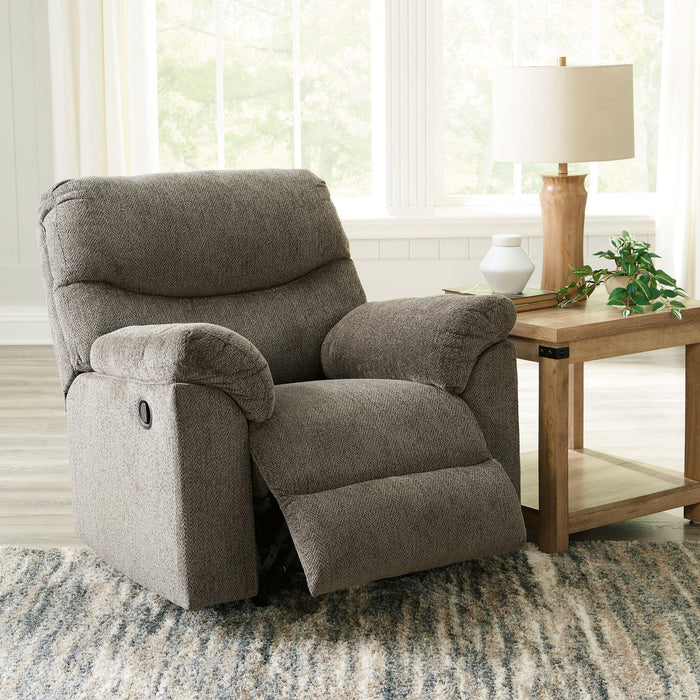
How to Match a Recliner to Your Body Size and Room
Even a beautifully designed recliner with every ergonomic feature will feel uncomfortable if it doesn’t match your height, weight, and available space. Taking measurements seriously prevents expensive mistakes.
Height determines several critical fit factors. Taller users, generally over six feet, need higher backs that support the full length of their spine and deeper seats that accommodate longer thighs without cutting off circulation behind the knees. Shorter users benefit from shallower seats that allow them to sit fully back while still resting their feet on the floor or footrest. When seat depth is wrong for your leg length, you end up either perching on the edge (losing back support) or sitting back properly with your feet dangling (creating pressure behind your thighs).
Weight capacity and foam density directly affect how long a recliner will remain comfortable. Choose models rated comfortably above your body weight, at least 50 to 75 pounds of headroom, rather than right at the limit. Higher-weight users should prioritize high-density foam or pocket-sprung seat construction, which maintains support structure better than standard foam over the years of daily use. Foam that’s dense enough for your weight will show minimal compression after years of regular sitting, while underrated foam will develop permanent body impressions within months.
Room constraints affect which recliner styles make sense for your space. Traditional recliners need significant clearance behind them for full recline, sometimes 18 inches or more from the wall. Wall-hugger designs solve this problem by sliding the seat forward as the back reclines, requiring only about six inches of clearance while still achieving full or near-full recline angles. This space-saving approach is essential for apartments, smaller living rooms, or any arrangement where the recliner can’t sit far from the wall.
Before purchasing, measure your available floor space and compare it to the recliner’s fully reclined dimensions, not just its upright footprint. A chair might fit perfectly when upright, but block a walkway or bump into furniture when reclined. Note the recline path as well; some chairs tilt straight back while others swing in an arc that requires side clearance.
Common Mistakes That Undermine Comfortable Sitting
Many people accidentally choose recliners that feel impressive in the store but become uncomfortable after a few weeks of regular use. Avoiding these common mistakes saves money and prevents disappointment. In contrast, well-chosen recliners create a cozy and inviting environment for relaxation, transforming your living space into a comfortable retreat.
Prioritizing softness over structure is the most frequent error. Cushions that feel luxuriously soft in a five-minute showroom test often lack the support density needed for long periods of sitting. When cushioning compresses too easily, your body sinks into the chair, your pelvis tilts backward, and your spine rounds instead of maintaining its natural curve. This creates the slouched posture that leads to back pain, neck stiffness, and muscle fatigue over time. A firmer seat cushion with proper support structure will feel better after an hour than a soft one will after fifteen minutes.
Ignoring seat dimensions is equally problematic. Seats that are too deep force shorter users to either lose back support or dangle their legs, both of which cause discomfort. Seats that are too high prevent feet from resting flat, creating pressure under the thighs. Too narrow and you feel cramped; too wide and you lack side support. These fit issues don’t become obvious during a quick test but reveal themselves painfully during actual use. Measure before you buy.
Overlooking lumbar and neck support leads to persistent tension. Fixed backrests that lack targeted support leave your lower back unsupported and your neck straining. Even if the overall shape seems comfortable initially, the absence of adjustable support means you can’t fine-tune the chair to your body’s specific needs. Over long hours, this creates chronic pain in areas that simply aren’t receiving adequate support.
Underestimating the value of adjustability limits your options. A recliner with three fixed positions might seem sufficient, but as your activities and comfort needs change throughout the day, those preset angles may not include the one you actually want. Power recliners with infinite position adjustment cost more upfront but provide flexibility that manual recliners simply cannot match, particularly for anyone managing fluctuating discomfort or using the chair for multiple purposes.
Finally, buying purely on appearance or to match existing décor often leads to ergonomic compromises. A recliner that looks perfect in your living room but doesn’t fit your body or support your posture will likely end up unused. Prioritize ergonomic fit and support first, then find something visually acceptable within that functional subset.
Recliner Maintenance and Care: Keeping Your Recliner Comfortable Over Time
A quality recliner is an investment in your comfort and spinal health, but even the best recliner needs regular care to maintain its supportive features. Over time, daily use can cause seat cushions to compress, support mechanisms to loosen, and upholstery to show signs of wear, all of which can undermine the lumbar support and ergonomic benefits you rely on for long-term comfort.
To keep your recliner providing optimal support, start with routine cleaning. Dust and debris can accumulate in the crevices of seat cushions and around moving parts, potentially affecting both comfort and function. For fabric recliners, vacuum the upholstery weekly and spot-clean spills promptly to prevent stains from setting. Performance fabrics are designed to resist moisture and wear, but still benefit from gentle cleaning with manufacturer-approved products. For leather or faux leather, use a soft cloth and appropriate conditioner to keep the surface supple and prevent cracking, which can affect the seat’s supportive feel.
Regular inspection and adjustment are key to preserving proper lumbar support and spinal alignment. Every few months, check that the adjustable lumbar support and reclining angle mechanisms are functioning smoothly. If your recliner features electric controls or power recliner motors, test all positions to ensure they respond accurately and quietly. Tighten any loose bolts or screws in the frame, especially around the seat and backrest, to maintain the chair’s structural integrity and prevent unwanted movement that could compromise support.
Pay special attention to the seat cushion and backrest padding. High-density foam and memory foam are designed to retain their shape, but over the years of use, even premium materials can develop impressions or lose resilience. Rotate or flip removable cushions if possible, and periodically check for sagging or unevenness. If you notice a decline in support, many manufacturers offer replacement cushions or inserts to restore the chair’s original comfort and targeted support.
For recliners with kiln-dried hardwood frames, avoid exposing the chair to excessive humidity or direct sunlight, which can weaken the wood and affect the alignment of support mechanisms. If your recliner includes moving parts or lift chair features, lubricate hinges and joints as recommended by the manufacturer to ensure smooth operation and prevent squeaks or resistance that could interfere with your ability to find the perfect fit.
Finally, prevent unnecessary wear and tear by using your recliner as intended. Avoid exceeding the recommended weight capacity, and don’t force the chair into positions beyond its designed range. Address minor repairs promptly; fixing a loose armrest or adjusting a misaligned headrest early can prevent more serious issues that might compromise back support or overall comfort.
By making maintenance a regular habit, you’ll preserve the supportive seating, adjustable lumbar, and ergonomic features that make your recliner a cornerstone of daily comfort. A well-cared-for recliner continues to provide the personalized support, spinal alignment, and pressure relief your body needs for years of healthy, comfortable sitting.
Conclusion: Choosing a Recliner That Supports Your Most Comfortable Positions
The best recliner for comfortable sitting positions combines several elements working together: ergonomic support that maintains spinal alignment, multiple recline angles for different activities, leg elevation options that improve circulation and reduce pressure, and dimensions that match your specific body. No single feature creates comfort on its own; it’s the integration of adjustable lumbar support, proper neck support, quality cushioning, and appropriate fit that transforms a piece of furniture into genuine relief.
Sustainable comfort happens only when your spine, hips, and legs receive continuous support rather than being allowed to slump, twist, or compress. A chair that feels soft and welcoming but lacks structure will create more problems than it solves. The perfect fit requires matching the chair to your height, weight, and primary activities, not just selecting the model that looks best in your room.
Use the testing approaches and feature priorities from this guide when evaluating any recliner, whether in a showroom or online. Sit through multiple positions, check for pressure points, and simulate your actual daily activities before committing. The right recliner turns daily sitting into genuine rest instead of accumulated strain, an investment that pays dividends in comfort and spinal health for years to come.
Full Recline and Its Benefits
A full recline feature transforms a standard chair into a sanctuary for your entire body, allowing you to lean back to a nearly flat position and experience true relaxation. This deep recline is especially valuable for anyone dealing with chronic back pain, muscle fatigue, or the daily strain that comes from poor posture. By enabling your body to rest flat or in a zero gravity position, a full recline chair helps reduce spinal compression, relieve pressure points, and promote healthy blood circulation, key factors in maintaining spinal health over long periods.
One of the standout benefits of a full recline is its ability to support the spine’s natural S-curve, especially when paired with adjustable lumbar support. Proper lumbar support in a fully reclined position ensures that your lower back is gently cradled, preventing the sagging or arching that can lead to discomfort or exacerbate back pain. Many well-designed recliners, including zero gravity recliners and premium power recliners, offer adjustable lumbar features so you can personalize the support to fit your unique body shape and needs. This targeted support helps alleviate muscle fatigue and encourages your body to relax fully, reducing the risk of chronic pain from long periods of sitting.
Neck support is equally important in a full recline. A quality recliner with an adjustable headrest keeps your neck aligned with your spine, preventing strain whether you’re napping, reading, or simply unwinding. The seat cushion and seat depth should also be considered. Look for high-density foam that maintains its shape and provides even support, and ensure the seat depth allows your feet to rest flat with your knees at a comfortable angle. This alignment helps distribute your body weight evenly, taking pressure off sensitive areas and reducing the likelihood of developing new pain points.
Power recliners make achieving the perfect full recline effortless. With electric controls, you can fine-tune the reclining angle, lumbar support, and even the headrest with the touch of a button, ensuring a perfect fit every time. Brands like Flexsteel are known for their smooth, quiet motors and robust support mechanisms, making them a top choice for those seeking both comfort and durability. For individuals with mobility issues, a lift chair adds another layer of convenience by gently tilting forward to help you stand up safely, all while offering the same deep recline and adjustable lumbar support found in premium models.
When testing a recliner with full recline, pay close attention to how well it supports your entire body in the deepest position. The best recliners use kiln-dried hardwood frames for stability, high-density or memory foam for lasting comfort, and performance fabrics that stand up to daily use. Make sure the chair maintains proper lumbar and neck support throughout its range of motion, and that the seat cushion remains comfortable without creating pressure points, even after long periods of use.
In summary, a recliner with full recline is more than just a luxury; it’s an investment in your spinal health and daily comfort. With features like adjustable lumbar support, supportive seat cushions, and ergonomic neck support, a well-designed recliner can help correct poor posture, reduce muscle fatigue, and provide relief from chronic back pain. Whether you choose a zero gravity recliner, a power recliner, or a lift chair, prioritizing these features ensures you’ll enjoy personalized support and long-term well-being every time you sit down.
Get Your Recliner Furniture at Furniture World Today
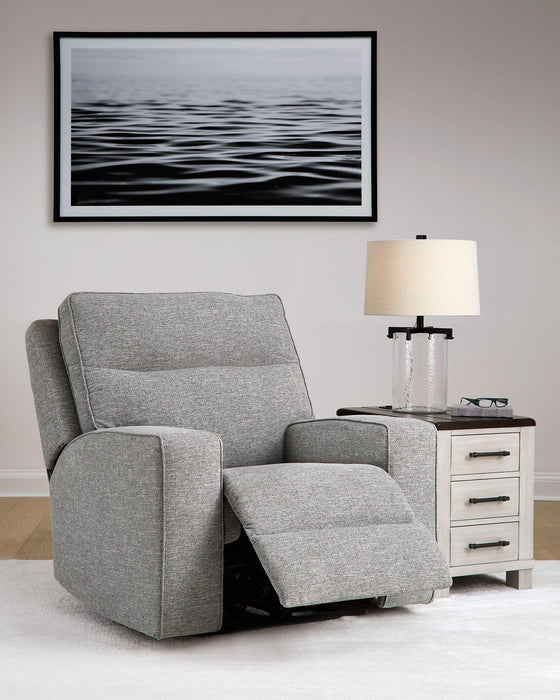
Recliner furniture brings comfort, relaxation, and everyday ease to your living space. At Furniture World, our recliner furniture collection includes chairs, sofas, and sectionals designed for support, durability, and long-lasting comfort. Each piece is selected to help you create a cozy and functional seating area.
Explore our recliner furniture selection today and find the perfect options for your home. Whether you’re furnishing a family room, entertainment space, or cozy corner, Furniture World offers recliners that combine comfort, style, and everyday practicality.