
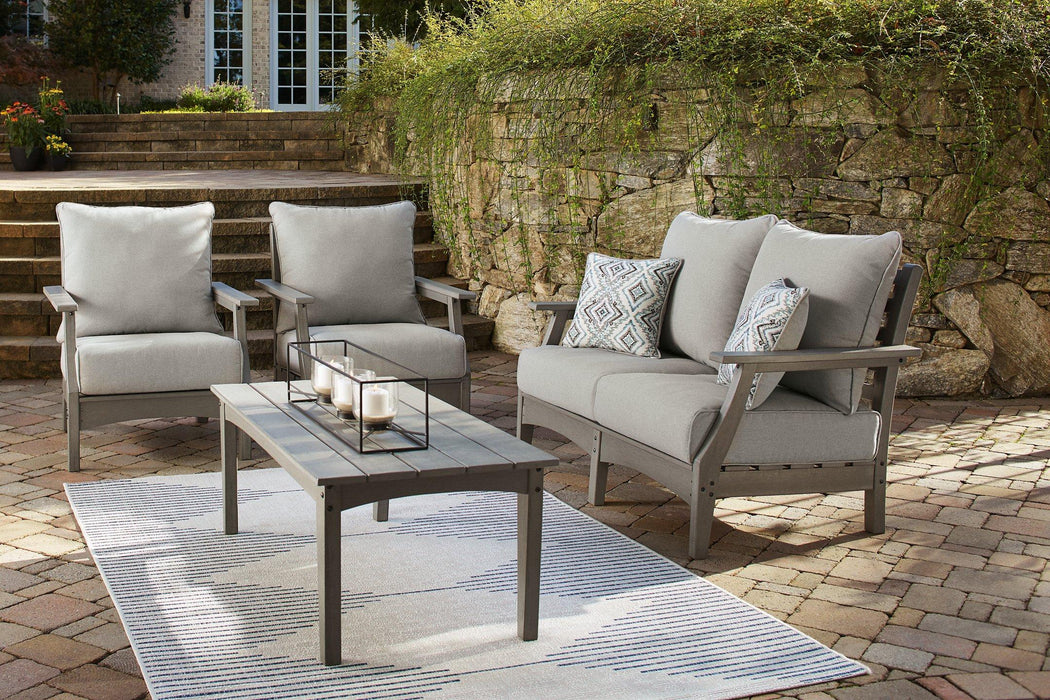
Every year, $2.8 billion worth of outdoor furniture is damaged by environmental factors, yet 73% of these failures could be prevented with proper knowledge and maintenance. The difference between outdoor furniture that lasts decades and pieces that require replacement after just a few seasons often comes down to understanding failure mechanisms and implementing systematic protection strategies.
Quality outdoor furniture represents a significant investment in your outdoor space, whether you’re furnishing a backyard patio or creating an elaborate outdoor dining area. However, without proper care and material selection, even high-quality outdoor furniture can deteriorate rapidly when exposed to the elements. This comprehensive guide examines why outdoor furniture fails and provides actionable strategies to protect outdoor furniture from premature deterioration.
The Primary Causes of Outdoor Furniture Failure
Understanding the environmental forces that attack outdoor furniture is essential for developing effective protection strategies. Each failure mechanism operates through specific pathways that, when combined, can reduce furniture lifespan from decades to just a few seasons.
UV Radiation and Solar Damage
The sun’s uv rays represent one of the most persistent threats to outdoor pieces. UV radiation breaks down polymer chains in plastics and fades fabric dyes within 2-3 seasons of exposure. This photodegradation process affects virtually all outdoor materials, causing visible color changes and weakening structural integrity.
Direct sunlight exposure during peak hours creates the most damage, particularly for furniture positioned in areas without natural shade. Dark-colored surfaces absorb more solar energy, accelerating the degradation process and making black metal furniture especially vulnerable to both UV and thermal damage.
Moisture Penetration and Water Damage
Rain and humidity create ideal conditions for multiple failure mechanisms. Moisture penetration causes wood rot, metal rust, and fabric mildew in as little as 6 months when materials lack proper protection. The freeze-thaw cycle amplifies this damage significantly - water expands when frozen, creating internal stress that fractures protective finishes and widens existing cracks.
Traditional wooden furniture proves particularly susceptible to moisture damage, with untreated pieces often requiring replacement within 2-3 years of outdoor use. Mold and mildew growth not only damages materials but can create health risks in your outdoor space.
Temperature Fluctuations and Thermal Stress
Temperature fluctuations from -20°F to 120°F cause materials to expand and contract, creating stress fractures in joints and surface finishes. This thermal cycling weakens connections between different materials and gradually loosens hardware over time.
Wood experiences dimensional changes that can cause splitting and joint separation, while metal components may develop fatigue cracks at stress concentration points. Plastic materials become brittle in cold temperatures and may crack under normal loads that they would typically handle during warmer weather.
Wind Damage and Structural Stress
Wind speeds above 25 mph can topple lightweight furniture and cause structural damage to improperly secured pieces. Dining chairs and lightweight patio furniture are particularly vulnerable to wind damage, especially when positioned in open areas without windbreaks.
The repeated stress from moderate winds can gradually loosen joints and fasteners, creating a progressive failure mechanism that may not become apparent until catastrophic failure occurs during severe weather conditions.
Salt Air and Coastal Corrosion
Salt air in coastal areas accelerates corrosion of metal components by up to 5 times the normal rate. This aggressive environment affects not only obvious metal surfaces but also hidden fasteners and hardware within wooden and composite furniture pieces.
The combination of salt spray and high humidity creates ideal conditions for rapid metal degradation, making standard outdoor furniture unsuitable for coastal environments without specialized protection or material selection.
Material-Specific Failure Modes
Different materials used in outdoor furniture construction exhibit distinct failure patterns and timelines. Understanding these material-specific vulnerabilities helps in both selection and maintenance planning.
Wood Furniture Degradation
Outdoor wood furniture faces multiple degradation pathways that can significantly reduce its lifespan without proper treatment. Dry rot represents the most serious threat, typically developing when moisture content exceeds 20% for extended periods. This fungal degradation can compromise structural integrity within 6-12 months in humid climates.
Insect damage, particularly from termites and carpenter ants, can hollow out wooden components while leaving external surfaces appearing intact. Warping and splitting occur as wood responds to moisture changes, with untreated pieces showing visible distortion after their first winter season.
Without protective treatments, wood furniture typically requires replacement after 3-5 years, though properly maintained pieces can last 15-20 years. The key difference lies in regular application of natural oils and sealants that prevent moisture penetration.
Metal Furniture Corrosion Patterns
Metal furniture experiences rust formation through electrochemical processes that accelerate in humid environments. Powder coating failure typically begins at stress points and areas where the coating has been damaged, allowing moisture access to the underlying metal.
Joint corrosion represents a particularly insidious problem, as rust formation within connection points can cause sudden structural failure. Cast iron and wrought iron furniture require particularly diligent maintenance, as these materials corrode more rapidly than aluminum alternatives.
Without protective maintenance, metal furniture typically shows significant rust damage after 2-4 years, with complete structural compromise possible within 5-7 years in aggressive environments. Regular application of rust-resistant primer and appropriate topcoats can extend this timeline to 15+ years.
Plastic and Resin Material Breakdown
Plastic and resin furniture experiences UV degradation as the primary failure mechanism. UV radiation breaks chemical bonds in polymer chains, leading to surface chalking, brittleness, and color fading after 1-3 years of exposure.
Synthetic wicker and resin furniture may maintain appearance longer than solid plastic pieces, but the underlying polymer degradation affects structural integrity regardless of surface appearance. Temperature cycling accelerates this process, making furniture more prone to cracking during cold weather.
Low-grade plastic materials may become unsafe for use within 2-3 seasons, while UV-stabilized materials can maintain structural integrity for 8-12 years with proper care.
Fabric and Cushion Deterioration
Outdoor fabrics face multiple degradation mechanisms operating simultaneously. UV radiation breaks down fabric fibers and fades colors, while moisture promotes mold growth and fabric breakdown. Seat cushions and outdoor cushions typically show significant deterioration after 1-2 seasons without protection.
Foam deterioration occurs when moisture penetrates cushion covers, causing the internal structure to break down and lose support capabilities. Mold and mildew growth not only damages materials but also creates health concerns and persistent odors.
Quality outdoor fabrics like solution-dyed acrylics can resist these degradation mechanisms for 5-7 years, while generic fabric blends may require replacement annually.
Why Cheap Materials Fail Faster
The quality difference between premium and budget outdoor furniture becomes apparent through material composition and construction methods. Low-grade aluminum alloys contain impurities that accelerate corrosion, making coastal environments particularly problematic for budget metal furniture.
Untreated wood lacks protective oils and dries out within the first summer season, making it vulnerable to moisture penetration and insect damage. Single-wall plastic construction has no UV stabilizers and becomes brittle in 6-12 months, creating safety hazards.
Generic fabric blends absorb water readily and develop mold within weeks of exposure, requiring frequent replacement and ongoing health concerns. The initial cost savings from cheap materials quickly disappear through accelerated replacement cycles.

Selecting Failure-Resistant Materials
Material selection represents the most effective long-term strategy for preventing outdoor furniture failure. Understanding material properties and ratings enables informed decisions that significantly extend furniture lifespan while reducing maintenance requirements.
High-quality materials may cost more initially but provide superior value through extended lifespan and reduced maintenance needs. Well-crafted pieces using premium materials can last 15-20 years with proper care, compared to 3-5 years for budget alternatives.
Superior Metal Options
Marine-grade aluminum (5000 series) resists corrosion for 15-20 years in coastal environments through specialized alloy composition that resists salt water corrosion. This material maintains structural integrity and appearance with minimal maintenance, making it ideal for challenging environments.
Stainless steel hardware and fasteners prevent the hidden corrosion that often causes sudden furniture failure. While more expensive than standard hardware, stainless steel components can extend overall furniture life by preventing structural weak points.
Powder-coated finishes provide superior protection compared to traditional paint, but quality varies significantly. Premium powder coating systems include UV stabilizers and corrosion inhibitors that maintain protection for 7-10 years under normal conditions.
Premium Wood Species
FSC-certified teak contains natural tannins that repel insects and moisture for 10-15 years without chemical treatments. The dense grain structure and natural oil content make teak particularly suitable for outdoor use, though proper maintenance still extends lifespan significantly.
Cedar and eucalyptus offer natural rot resistance at lower cost than teak, providing good outdoor performance for 8-12 years with proper sealing. These species require more maintenance than teak but offer excellent value for moderate climates.
Pressure-treated lumber provides adequate outdoor performance when properly sealed and maintained. However, the chemical treatment process can affect appearance and requires careful selection of compatible finishes and sealants.
Advanced Synthetic Materials
UV-stabilized HDPE plastic maintains structural integrity for 8-12 years without fading when formulated with appropriate stabilizer packages. This material offers consistent performance across temperature ranges and requires minimal maintenance.
Recycled plastic lumber eliminates approximately 90% of winter maintenance requirements compared to traditional wood while providing similar appearance and workability. This material resists moisture, insects, and UV radiation while offering environmental benefits.
Synthetic wicker made from high-quality resins provides the appearance of natural materials with superior weather resistance. Premium synthetic materials maintain flexibility and color for 7-10 years compared to 2-3 years for natural alternatives.
Understanding UV Resistance Ratings
UV20 rated materials withstand 20,000 hours of direct sunlight without degradation, equivalent to approximately 10 years of normal outdoor exposure. This rating provides a reliable benchmark for comparing material longevity.
ASTM D4329 testing standards measure material UV resistance over accelerated time periods using controlled UV exposure and temperature cycling. Materials meeting this standard provide predictable outdoor performance for planning purposes.
Lightfastness ratings from 1-8 indicate fabric fade resistance, with ratings of 6+ recommended for outdoor use. This standardized testing enables comparison between different fabric options and manufacturers.
Built-in UV inhibitors provide superior protection compared to topical coatings that wear off over time. Materials with integrated protection maintain effectiveness throughout their service life rather than requiring periodic reapplication.
Environmental Protection Strategies
Layered protection approaches combine multiple strategies to create comprehensive furniture protection systems. No single protection method addresses all failure mechanisms, making systematic approaches essential for long-term success.
Effective environmental protection requires understanding your specific outdoor space conditions and implementing appropriate solutions for your climate and exposure levels. The investment in protection systems typically pays for itself through extended furniture life and reduced replacement costs.
Shade Structure Installation
Install shade structures to reduce UV exposure by 80-90% during peak sun hours (10am-4pm), significantly extending the life of furniture finishes and fabrics. Pergolas, awnings, and shade sails provide architectural solutions that enhance outdoor space aesthetics while protecting furniture.
Cantilever umbrellas offer flexible shade positioning that can be adjusted throughout the day to provide optimal protection. Quality umbrellas with UV-resistant canopies provide numerous benefits beyond furniture protection, including improved comfort for outdoor dining and entertainment.
Natural shade from trees provides excellent protection but may create other challenges through leaf debris and seasonal variation. Consider both immediate and long-term shade patterns when positioning furniture in relation to existing or planned landscaping.
Strategic Furniture Positioning
Position furniture away from sprinkler systems and areas with poor drainage to minimize moisture exposure. Water pooling around furniture bases accelerates rot in wood and corrosion in metal components, creating preventable failure modes.
Elevate furniture on raised platforms or patios rather than placing directly on grass or soil. This positioning improves drainage and airflow while preventing ground moisture from affecting furniture components.
Create windbreaks using landscape features or architectural elements to reduce wind stress on lightweight pieces. Strategic positioning can eliminate the need for constant securing while maintaining outdoor space functionality.
Protective Cover Systems
Use breathable furniture covers with grommets to prevent moisture buildup while blocking UV radiation and precipitation. Quality covers extend furniture life significantly while reducing daily cleaning requirements.
Furniture covers must provide a snug fit without being overly tight, allowing for thermal expansion while preventing wind damage. Properly fitted covers protect surfaces without creating stress points that could damage furniture during temperature changes.
Avoid plastic covers that trap moisture and create ideal conditions for mold growth. Breathable materials allow air circulation while providing weather protection, preventing the moisture-related problems that plastic covers often create.
Protective Coating Applications
Apply marine-grade sealants annually to wood and recoat metal furniture every 2-3 years to maintain protective barriers against moisture and UV radiation. Quality sealants penetrate material surfaces to provide long-lasting protection.
Tung oil provides excellent wood protection while enhancing natural appearance, requiring reapplication every 12-18 months for optimal results. This natural protective finish allows wood to breathe while repelling moisture.
Spray paint designed for outdoor use can refresh metal surfaces while providing protective coverage. Multiple thin coats provide better protection than single thick applications, allowing for better adhesion and durability.
Seasonal Storage Solutions
Store cushions indoors from October through March in northern climates to prevent freeze-thaw damage and extend fabric life. Indoor storage eliminates the most damaging environmental conditions while requiring minimal storage space.
Stack lightweight chairs and tables in covered areas during winter months to prevent snow and ice accumulation. Proper stacking techniques prevent damage while maximizing storage efficiency.
Use furniture dollies to move heavy pieces into garages or sheds, making seasonal storage practical for larger furniture sets. This approach protects significant investments while maintaining outdoor space flexibility.
Wrap delicate items in breathable fabric covers, never plastic sheeting, which traps moisture and promotes mold growth. Proper wrapping materials provide protection while allowing necessary air circulation.

Design Flaws That Lead to Premature Failure
Construction and design issues often contribute more to furniture failure than environmental factors alone. Understanding these design flaws helps in both selection and modification of existing outdoor pieces to improve longevity.
Many furniture failures result from cost-cutting measures in design and construction that create weak points susceptible to environmental attack. Identifying these issues early enables preventive interventions that significantly extend furniture life.
Drainage and Water Management Issues
Insufficient drainage in seat bases allows water pooling and accelerates rot in wooden components while promoting rust in metal frameworks. Proper design includes drainage holes and sloped surfaces that shed water quickly.
Flat surfaces without appropriate slope create areas where water, dirt, and debris accumulate, making these spots particularly vulnerable to degradation. Simple modifications like drilling drainage holes can often address these design shortcomings.
Enclosed areas within furniture construction can trap moisture and create hidden decay that undermines structural integrity. Quality outdoor furniture design includes ventilation and access for cleaning and maintenance.
Structural Weak Points
Sharp edges and corners create stress concentration points that crack under temperature changes and normal use loads. Rounded edges and proper stress distribution prevent many common failure modes while improving safety.
Inadequate joint reinforcement in frame connections leads to loosening and structural failure as furniture experiences thermal cycling and use stresses. Quality construction includes appropriate fastener sizes and reinforcement elements.
Dissimilar metal connections create galvanic corrosion cells that accelerate failure in marine environments. Proper design isolates different metals or uses compatible alloys to prevent electrochemical degradation.
Ventilation and Airflow Problems
Poor ventilation in cushion designs traps moisture and promotes mold growth while preventing proper drying after rain events. Quality cushion design includes ventilation channels and quick-drying materials.
Solid construction without adequate airflow prevents drying and creates ideal conditions for biological degradation. Strategic ventilation maintains material integrity while preserving structural strength.
Design elements that create debris collection areas accelerate degradation through organic matter accumulation. Smooth surfaces and appropriate slopes prevent accumulation while simplifying maintenance.
Maintenance Schedules That Prevent Failure
Preventive maintenance saves replacement costs while maintaining furniture appearance and safety. Systematic maintenance approaches address multiple failure mechanisms through coordinated activities that maximize effectiveness while minimizing time investment.
Regular maintenance schedules create accountability and ensure that protective measures remain effective throughout changing seasonal conditions. The investment in maintenance time pays significant dividends through extended furniture life and reduced replacement costs.
Monthly Maintenance Tasks
Rinse furniture with a garden hose and check for loose hardware during monthly inspections. This simple routine removes salt accumulation and debris while identifying problems before they become serious.
Remove dirt and organic matter using mild soap and warm water, preventing biological degradation and surface staining. Mild detergent solutions provide effective cleaning without damaging protective finishes.
Inspect joints and connections for looseness, tightening hardware as needed to maintain structural integrity. Loose connections create stress concentrations that can lead to sudden failure.
Quarterly Deep Maintenance
Deep clean with appropriate cleaners for specific materials, removing accumulated contamination that regular cleaning cannot address. Specialized cleaning products protect existing finishes while removing damaging deposits.
Inspect for early damage signs, including surface chalking, joint loosening, and finish degradation. Early intervention prevents minor issues from developing into major failures.
Apply protective treatments to high-wear areas and exposed surfaces that receive the most environmental stress. Targeted protection provides maximum benefit with minimal material usage.
Bi-Annual Protective Applications
Apply protective treatments and replace worn components during spring and fall maintenance sessions. This timing coincides with seasonal transitions and provides optimal protection during challenging weather periods.
Inspect drainage systems and clear blockages that could cause water accumulation. Proper drainage remains essential for preventing moisture-related failures.
Evaluate furniture positioning and make adjustments for changing shade patterns or landscaping modifications. Optimal positioning provides passive protection that reduces maintenance requirements.
Annual Professional Assessment
Professional assessment of structural integrity identifies hidden problems that regular maintenance cannot detect. Expert evaluation can prevent sudden failures while optimizing maintenance strategies.
Refinishing needs assessment determines when protective coatings require renewal for continued effectiveness. Professional refinishing extends furniture life significantly compared to replacement options.
Hardware inspection and replacement prevents gradual deterioration from compromising structural safety. Quality hardware maintains furniture integrity throughout its service life.
Early Warning Signs of Furniture Failure
Color fading indicates UV damage has begun and protective coatings are failing, requiring immediate intervention to prevent accelerated degradation. Fading typically appears first in areas receiving the most sun exposure.
Surface chalking on plastic reveals polymer breakdown requiring immediate treatment with appropriate protective products. This condition indicates that structural failure may occur within one season without intervention.
Joint loosening suggests hardware corrosion or wood shrinkage needs attention before structural failure occurs. Regular tightening and hardware replacement can address this issue effectively.
Water stains indicate inadequate sealing and potential for rot development in wooden components. Immediate resealing prevents moisture penetration and preserves structural integrity.

Common Mistakes That Accelerate Furniture Failure
User errors often void warranties and reduce furniture lifespan more than environmental factors alone. Understanding these outdoor furniture mistakes enables better care practices that preserve investment value and ensure safety.
Many furniture failures result from well-intentioned but inappropriate maintenance practices that actually accelerate degradation. Proper education prevents these counterproductive approaches while promoting effective care strategies.
Improper Cleaning Methods
Power washing at high pressure (over 1500 PSI) damages surface finishes and drives water into joints where it can cause hidden decay. High-pressure cleaning removes protective coatings while forcing moisture into areas where it cannot easily dry.
Using a damp cloth with mild soap provides effective cleaning without damaging finishes or driving moisture into vulnerable areas. This gentler approach preserves protective coatings while maintaining cleanliness.
Harsh cleaning chemicals, including household cleaners with bleach or ammonia, break down protective coatings and can discolor materials. These chemicals may provide immediate visual improvement while causing long-term damage.
White vinegar offers an effective natural cleaning alternative that removes stains without damaging most outdoor materials. This mild acid dissolves mineral deposits while remaining safe for regular use.
Weight and Load Violations
Ignoring manufacturer weight limits causes stress fractures and joint failure that may not become apparent until catastrophic failure occurs. Weight limits include both static loads and dynamic forces from normal use.
Stacking or placing objects on furniture creates concentrated loads that exceed design parameters. Even within weight limits, concentrated loads can cause localized failures at stress points.
Moving furniture while loaded creates dynamic stresses that can exceed structural capabilities. Empty furniture before relocating to prevent damage to joints and connections.
Storage and Seasonal Errors
Storing furniture while still damp creates ideal conditions for mold and rust development during the off-season. Thorough cleaning and drying before storage prevents biological degradation during storage periods.
Using plastic covers for storage traps moisture and creates greenhouse conditions that accelerate degradation. Breathable materials provide protection while allowing necessary air circulation.
Inadequate support during storage can cause deformation and stress that weakens furniture structure. Proper support maintains shape while protecting against damage.
Maintenance Timing Mistakes
Delaying protective treatment reapplication allows degradation to begin before protection is renewed. Preventive application maintains continuous protection rather than responding to damage.
Applying treatments in inappropriate weather conditions reduces effectiveness and may cause application failures. Proper timing ensures optimal adhesion and curing for maximum protection.
Mixing incompatible products can cause chemical reactions that damage materials rather than protecting them. Understanding product compatibility prevents damaging interactions.
Cost-Benefit Analysis of Prevention vs Replacement

Prevention consistently proves more economical than replacement when evaluated over the complete furniture lifecycle. Understanding these economic relationships helps justify investment in quality materials and maintenance programs.
The mathematics of prevention versus replacement strongly favor systematic protection approaches, particularly when considering the hidden costs of premature replacement including disposal, shopping time, and installation effort.
Annual Maintenance Investment
Annual maintenance costs typically range from 5-10% of furniture value, compared to 100% replacement costs every 3-5 years for poorly maintained pieces. This dramatic difference makes maintenance clearly cost-effective.
Quality covers cost $50-200 but prevents $500-2000 in premature replacement by protecting against the most common failure mechanisms. Cover investment typically pays for itself within one season.
Professional refinishing costs $100-300 compared to $800-3000 for comparable new furniture, providing excellent value when performed at appropriate intervals. Refinishing can extend furniture life by 5-7 years.
Preventive care extends furniture life from 5 years to 15+ years with proper materials and systematic maintenance. This three-fold extension provides exceptional return on maintenance investment.
Replacement Cost Analysis
High quality outdoor furniture for a typical dining set ranges from $1,500 to $5,000, making preservation strategies highly cost-effective. Even extensive maintenance costs less than 20% of replacement value annually.
Hidden replacement costs include disposal fees, shopping time, delivery charges, and assembly labor that add 15-25% to advertised furniture prices. These additional costs make preservation even more attractive economically.
Furniture depreciation accelerates rapidly in outdoor environments, making timing of replacement decisions critical for cost optimization. Well-maintained pieces retain value better and can often be sold or donated rather than discarded.
Long-Term Value Calculations
A $2,000 dining set maintained properly costs approximately $100-200 annually in maintenance while lasting 15 years, totaling $3,500-4,000 over its lifetime. The same set replaced every 5 years costs $6,000 plus disposal and replacement time.
Quality materials cost 25-50% more initially but provide 300-400% longer service life, making them clearly superior investments. The premium for quality materials typically pays for itself within 3-5 years.
Insurance considerations may favor quality outdoor furniture, as well-maintained pieces present lower liability risks and may qualify for property coverage that protects against theft or damage.
Environmental and Sustainability Benefits
Preventing premature replacement reduces waste stream impacts and material consumption, providing environmental benefits beyond economic considerations. Sustainable practices align with increasing environmental awareness.
Quality materials often come from sustainable sources and manufacturing processes, making initial investment environmentally responsible. This approach supports sustainable business practices while providing superior performance.
Reducing transportation and packaging waste from fewer replacements contributes to lower environmental impact over the furniture lifecycle. Local refinishing services further reduce transportation impacts.
Shop At Furniture World Today!
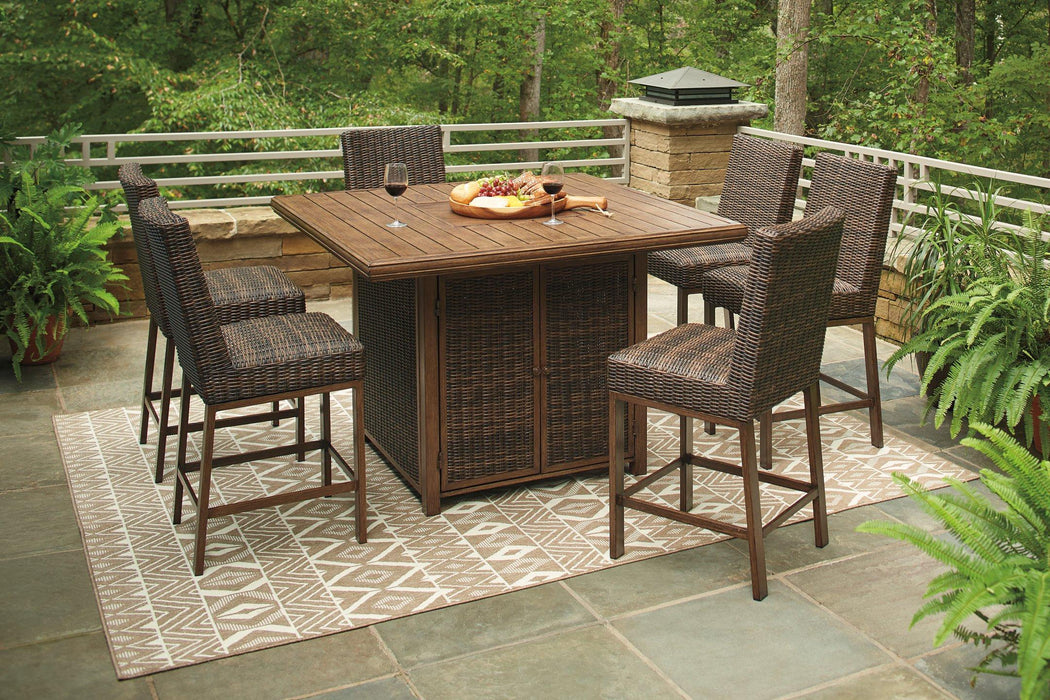
Outdoor furniture can fail when it’s exposed to harsh weather, heavy use, or improper maintenance. We know how disappointing it is when your favorite pieces fade, warp, or weaken prematurely, which is why prevention is key.
Choosing durable materials like treated wood, powder-coated metal, or high-quality wicker helps resist wear and tear. Our team often reminds customers that regular cleaning, protective covers, and storing furniture during extreme weather can significantly extend its lifespan.
When you’re ready to protect your investment, we’re here to help. At Furniture World, we offer outdoor furniture built for lasting comfort and style, along with guidance to keep it looking great for years to come.
Conclusion
Understanding why outdoor furniture fails and implementing systematic prevention strategies transforms a frustrating cycle of replacements into decades of reliable outdoor enjoyment. The data clearly demonstrates that 73% of premature furniture failures are preventable through proper material selection, environmental protection, and regular maintenance.
The investment in quality materials and protection systems pays for itself within 3-5 years while providing 15+ years of service life. Annual maintenance costs of 5-10% of furniture value compare favorably to replacement costs every few seasons, making prevention the clear economic choice.
Your outdoor space deserves furniture that enhances rather than detracts from outdoor living experiences. By selecting durable materials, implementing environmental protection strategies, and maintaining systematic care routines, you can ensure that your patio furniture provides decades of reliable service while maintaining its aesthetic appeal.
The key to success lies in viewing furniture care as a systematic investment rather than reactive maintenance. Start implementing these strategies today to protect your outdoor furniture investment and enjoy your outdoor space for years to come. Create a maintenance schedule, evaluate your current protection strategies, and make the material upgrades that will ensure your outdoor pieces withstand whatever weather conditions your climate presents.